Understanding Cape Cod Homes and Their Features
History and Origin of Cape Cod Homes
Originating in the early 17th century, Cape Cod homes were inspired by the simple, functional designs of English homes. These houses were built to withstand harsh New England winters and to provide a cozy atmosphere for the families living within. The classic style emerged prominently in Cape Cod, Massachusetts, leading to the birth of what we now recognize as cape cod homes. Their practicality and resilience symbolize a bygone era while still remaining relevant in modern architecture.
Architectural Characteristics of Cape Cod Homes
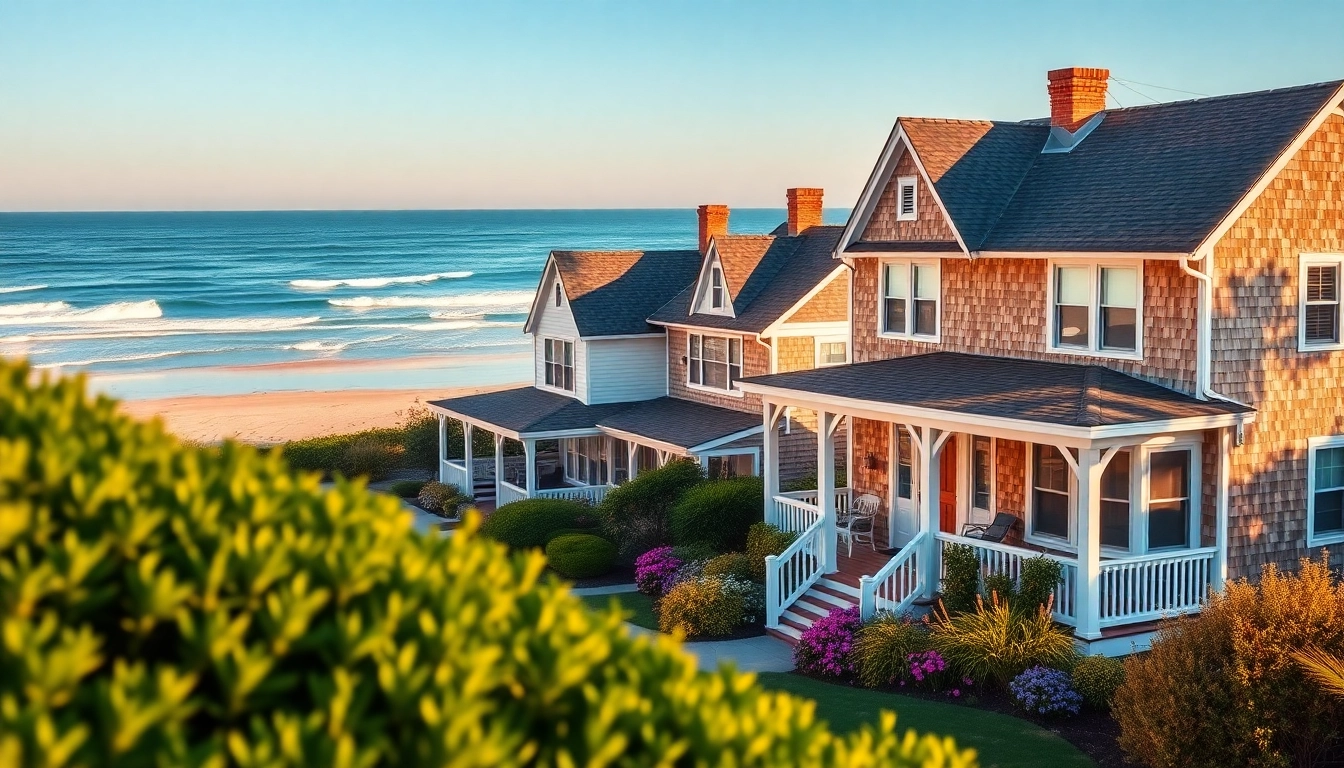
Typically characterized by steep roofs that shed snow easily and dormer windows providing light and space, cape cod homes are known for their symmetry and simplicity. They often feature a central front door flanked by evenly spaced windows, a hallmark of colonial architecture. The exteriors are primarily clad in wood shingle siding, painted in muted colors that harmonize with the surrounding landscape. Such features not only reflect aesthetic sensibilities of the time but also the functionality needed for life by the coast.
Common Materials Used in Cape Cod Homes
Historically, cedar shingles were favored for their durability and weather-resistance, often left to weather naturally to a silvery hue. Wood siding remains popular, but modern interpretations of Cape Cod homes may incorporate materials like fiber cement, which offers resilience with less maintenance. Additionally, stone and brick elements are sometimes introduced to enhance the home’s character and durability against coastal elements.
Benefits of Living in Cape Cod Homes
Unique Aesthetic Appeal
The aesthetic appeal of cape cod homes is undeniable. Their charming façades, complete with wide eaves and inviting porches, create an inviting atmosphere. The traditional craftsmanship and detailing, combined with natural materials, contribute to a sense of place that many find attractive. Each home tells a story, blending seamlessly into its surroundings while also providing a unique identity.
Energy Efficiency and Sustainability
Modern cape cod homes are often designed with energy efficiency in mind. The compact shape of these homes reduces the surface area exposed to the elements, minimizing heating and cooling costs. Many utilize high-quality insulation, ENERGY STAR-rated windows, and eco-friendly materials, contributing to a smaller carbon footprint. This sustainable approach attracts environmentally conscious buyers and enhances the livability of the home.
Adaptability to Coastal Conditions
The Cape's coastal climate calls for homes that can withstand the elements. Cape cod homes often include features like raised foundations to protect from flooding and durable construction materials resistant to salt and moisture. This adaptability not only ensures longevity but is essential for comfortable coastal living, allowing homeowners to enjoy their surroundings year-round.
Designing Your Own Cape Cod Home
Key Elements to Consider in Design
When designing a cape cod home, consider the balance between traditional aesthetics and modern functionality. Essential features include a steep roof pitch, dormer windows for light, and an open-plan interior to enhance flow. Integrating local influences can strengthen the home’s connection to its environment, reflecting the beauty of the surrounding landscape.
Maximizing Space and Functionality
Utilizing space effectively is key in Cape Cod design. Open-concept spaces combined with strategic built-ins allow homeowners to maximize functionality without compromising style. Attics and basements can also be transformed into livable spaces, adding value while providing flexibility for family needs. Attention to storage solutions will help maintain the home’s charm without sacrificing practicality.
Incorporating Modern Amenities
While cherishing the traditional aspects of cape cod homes, integrating modern amenities is crucial. Features like smart home technology, energy-efficient appliances, and modern HVAC systems can significantly enhance comfort without detracting from the home’s character. Thoughtful layout decisions, like positioning the kitchen as the heart of the home, can invite social interactions and create a welcoming environment.
Landscaping for Cape Cod Homes
Choosing Native Plants and Flowers
Landscaping is central to the charm of cape cod homes. Employing native plants helps to create a sustainable garden that attracts local wildlife and withstands coastal conditions. Choices like beach grass, hydrangeas, and chokeberry provide vibrant color and interest while requiring less water and maintenance than non-native species. This landscaping approach not only enhances aesthetic appeal but also promotes environmental health.
Enhancing Outdoor Spaces
Outdoor spaces should serve as extensions of the home. Creating defined areas for gathering, relaxation, and play enhances the property’s functionality. Decks and patios can provide opportunities for outdoor dining and entertaining, further embracing the coastal lifestyle. Incorporating features like outdoor fire pits or grills can elevate these spaces, inviting friends and family to enjoy the beauty of nature.
Creating Inviting Entryways
An inviting entryway is essential for making a great first impression. Consider adding features like a covered porch lined with comfortable seating, planters brimming with seasonal flowers, or a charming pathway that leads guests to the front door. This attention to detail not only boosts curb appeal but also reflects the warmth and hospitality that cape cod homes embody.
Maintenance Tips for Cape Cod Homes
Regular Upkeep for Longevity
To maintain the integrity and beauty of a Cape Cod home, regular maintenance is critical. This includes frequent checks on roofing, siding, and windows, replacing caulking and seals to protect against moisture. Scheduling seasonal cleanings for gutters and downspouts ensures rainwater flows properly, reducing the risk of damage to the foundation and surrounding landscape.
Dealing with Weather-Related Challenges
Being situated in coastal areas means facing unique weather challenges. Homeowners should prepare for storms by ensuring that roofs, windows, and doors are in excellent condition and can withstand high winds. Regularly assessing and reinforcing the structural integrity of the home can help reduce damage during extreme weather events and prolong the life of the property.
Essential Repairs and Renovations
Over time, major systems like plumbing, electrical, and HVAC may require updates or repairs. Conducting these routine checks helps identify issues before they turn into costly repairs. Additionally, renovations like energy-efficient upgrades or expanding living spaces can enhance both comfort and home value, making them worthwhile investments.
FAQs About Cape Cod Homes
What defines Cape Cod homes?
Cape Cod homes are characterized by their steep roofs, dormer windows, and shingle siding, reflecting traditional New England architecture.
Are Cape Cod homes energy efficient?
Yes, Cape Cod homes often feature energy-efficient designs, including proper insulation and large windows for natural light, helping reduce energy consumption.
What landscaping suits Cape Cod homes?
Native plants, coastal grasses, and colorful flower gardens complement Cape Cod homes, enhancing their natural charm while resisting harsh weather.
How do I maintain my Cape Cod home?
Regular maintenance includes checking for roof damage, repainting wood exteriors, and maintaining landscaping to preserve the home's charm and longevity.
Can I modernize a Cape Cod home?
Absolutely! Modern amenities and designs can easily be integrated into Cape Cod homes while preserving their classic aesthetic and character.