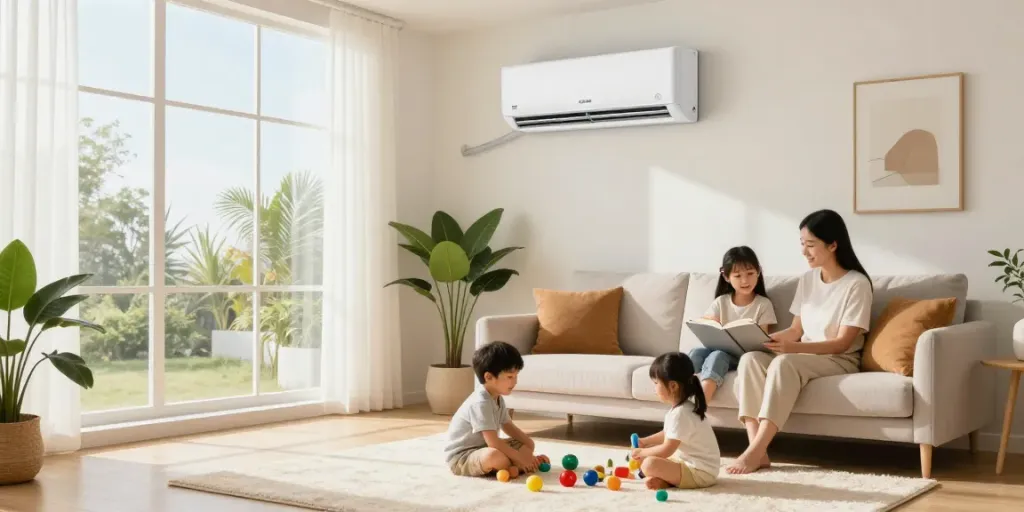
Understanding the 12000 BTU Mini Split System
The 12000 BTU mini split system is a versatile and efficient option for climate control in various settings, from residential to commercial spaces. Unlike traditional HVAC systems, mini splits offer flexibility in installation and zoned heating and cooling capabilities. These systems are particularly attractive for homeowners looking to optimize comfort and energy efficiency throughout their properties.
When exploring options, 12000 btu mini split systems provide comprehensive insights into energy performance and design, making them a popular choice among consumers.
What is a Mini Split System?
A mini split system consists of two main components: an indoor air-handling unit and an outdoor compressor. This design eliminates the need for ductwork, making installation easier and reducing the loss of energy often associated with traditional HVAC systems. Mini splits can be used for both heating and cooling, which enhances their adaptability in various climates.
How BTU Ratings Affect Performance
BTUs, or British Thermal Units, measure the cooling and heating capacity of an air conditioning system. A 12000 BTU rating indicates that the system can effectively cool or heat a room of up to 550 square feet, depending on factors such as insulation, ceiling height, and sun exposure. Choosing the correct BTU rating is crucial to ensure optimal performance and energy efficiency.
Why Choose 12000 BTU for Your Home?
A 12000 BTU mini split system is ideal for medium-sized rooms such as living rooms, bedrooms, and home offices. It strikes a balance between capacity and energy efficiency, making it a cost-effective solution for homeowners. Additionally, many of these systems come with advanced features such as programmable thermostats and Wi-Fi connectivity, enhancing usability and control.
Installation and Setup of 12000 BTU Mini Split
Best Practices for Placement
Proper placement of the indoor unit is essential for maximizing efficiency. Ideally, it should be mounted high on a wall to facilitate airflow and cool the space effectively. Additionally, it’s important to consider the outdoor unit’s location to ensure adequate airflow and avoid obstruction from debris or vegetation.
Installation Requirements and Considerations
Installing a mini split system requires specific tools and skills. The outdoor unit needs to be connected to the indoor unit via refrigerant lines, and both units need an electrical power source. Homeowners should verify local building codes and regulations, as these can impact installation practices.
DIY vs Professional Installation: Pros and Cons
While some homeowners may consider a DIY approach to save on costs, professional installation is often recommended. Professionals ensure that the system is set up correctly, reducing the risk of future issues. However, DIY installation can be a rewarding experience for those with the necessary skills and tools.
Efficiency and Cost-Effectiveness
Understanding Energy Efficiency Ratings
Energy efficiency is crucial when assessing a 12000 BTU mini split system. Look for systems with high SEER (Seasonal Energy Efficiency Ratio) ratings, which indicate how effectively the system operates over an entire cooling season. A higher SEER rating means less energy consumption, translating into savings on utility bills.
Cost Analysis: Initial Investment vs Long-Term Savings
Although the initial investment for a mini split system may be higher than traditional air conditioners, the long-term savings on energy bills and maintenance can be significant. Homeowners can expect to see a return on investment through lower operational costs over time.
Maximizing Efficiency in Different Climates
To maximize a mini split system’s efficiency, homeowners should consider their local climate conditions. In humid areas, a dehumidifying function can enhance comfort. In colder climates, ensure that the system is capable of heating effectively without losing efficiency. Regular maintenance is also key to sustaining optimal performance.
Common Issues and Troubleshooting
Typical Problems with Mini Split Systems
Common issues with 12000 BTU mini split systems include inconsistent temperatures, strange noises, and refrigerant leaks. It's important to troubleshoot these problems promptly to avoid more extensive damage to the system.
How to Perform Basic Maintenance
Regular maintenance can prolong the life of your mini split system. Homeowners should clean or replace air filters every few months, check for ice buildup on the evaporator coil, and ensure that the outdoor unit is free of debris. Additionally, having a professional perform an annual inspection can help catch potential issues early.
When to Call a Professional for Repairs
If basic maintenance does not resolve performance issues, it may be time to call a professional. Signs that professional help is needed include persistent leaks, unusual odors, or failure to turn on. Relying on experts can prevent costly repairs and ensure the system operates efficiently.
Future Trends and Innovations in 12000 BTU Mini Split Systems
Advancements in Smart Technology Integration
The integration of smart technology into mini split systems is on the rise. Features such as remote monitoring, voice control, and energy usage analytics are becoming standard in new models. These advancements allow homeowners to manage their climate control more effectively and conveniently.
Emerging Trends in Energy Efficiency
As energy efficiency becomes a greater priority, manufacturers are investing in research to develop even more efficient units. Innovations such as variable-speed compressors and eco-friendly refrigerants will enhance the performance of 12000 BTU mini splits and help reduce environmental impact.
What to Expect in Mini Split Development by 2026
By 2026, homeowners can expect mini split systems to incorporate even more advanced technologies, with an emphasis on sustainability and user-friendliness. With a growing focus on energy independence, mini splits are likely to become a standard component of modern homes, providing efficient and effective climate control for years to come.