The Allure of Tree House Life
In recent years, the concept of living in a tree house has captured the imagination of many, evoking a sense of nostalgia and adventure. The unique charm of these elevated homes lies in their ability to blend seamlessly with nature while providing an escape from the hustle and bustle of everyday life. For those considering this alternative lifestyle, tree house life offers comprehensive insights into creating a personalised sanctuary among the branches.
What Makes Tree Houses Unique?
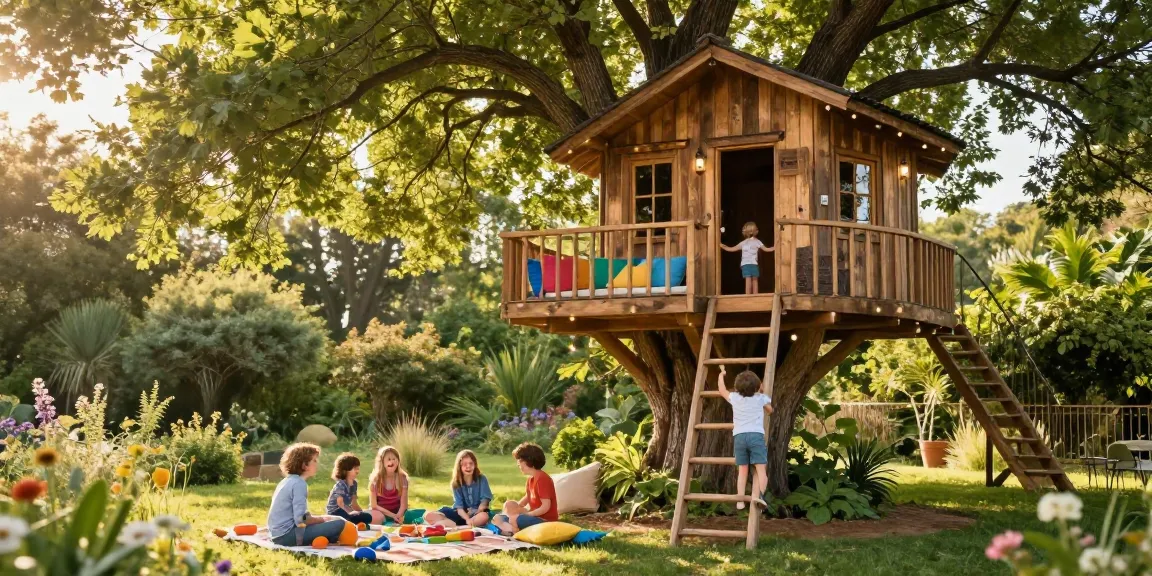
Tree houses are not merely childhood fantasies; they represent a distinctive architectural choice that stands apart from traditional homes. Built high above the ground, they provide breathtaking views and a unique perspective on the surrounding environment. Most tree houses are crafted with natural materials, seamlessly integrating them into their landscapes. This connection to nature is further enhanced by the sounds of rustling leaves and birdsong, making them an ideal retreat.
Benefits of Living in a Tree House
Living in a tree house comes with a host of benefits that can enrich your lifestyle:
- Connection to Nature: Living elevated among the trees fosters an intimate relationship with the natural world.
- Unique Aesthetics: Tree houses are often designed in imaginative ways, showcasing artistry that sets them apart from conventional homes.
- Health Benefits: Being in nature can reduce stress, improve mental health, and promote physical well-being.
- Eco-Friendly Living: Many tree houses utilise sustainable building practices and materials, making them an environmentally conscious choice.
The Environmental Impact of Tree House Living
Tree house living can have a positive impact on the environment. By choosing eco-friendly materials and designs, homeowners can minimise their carbon footprint. The elevated structure reduces land degradation since it doesn't require extensive land clearing for traditional construction. Furthermore, tree houses can enhance local biodiversity by providing habitats for various species.
Design Considerations for Tree Houses
Designing the perfect tree house involves careful consideration of several factors to ensure both safety and comfort. The following sections outline the key aspects to consider when embarking on this creative journey.
Choosing the Right Tree and Location
Not every tree is suitable for building a tree house. When selecting a tree, consider its type, health, and stability. Hardy species like oak, maple, and fir are popular choices due to their strong structural integrity. Additionally, the location should offer ample sunlight and privacy while providing a beautiful view. Proximity to essential utilities like water and electricity also plays a crucial role in your choice.
Essential Features of a Modern Tree House
A modern tree house should balance aesthetic appeal with functionality. Key features to consider include:
- Open Floor Plans: These designs create spacious living areas that enhance the feeling of being in nature.
- Large Windows: Incorporating expansive windows allows natural light to flood the interior and offers stunning views.
- Outdoor Spaces: Decks and balconies create additional areas to relax and enjoy the surroundings.
- Smart Home Technology: Integrating technology can enhance comfort and convenience.
Incorporating Sustainable Materials
Using sustainable materials is vital when constructing a tree house. Reclaimed wood, bamboo, and non-toxic finishes are excellent choices that reduce environmental impact. Additionally, consider investing in energy-efficient appliances and solar panels to make your tree house self-sufficient.
Building Your Dream Tree House
The journey to building your dream tree house can be both exciting and challenging. To ensure a successful project, follow these essential steps.
Planning Permissions and Regulations
Before construction begins, it is crucial to check local regulations and obtain necessary planning permissions. Different regions have varying rules regarding tree house construction, particularly in residential areas. Engaging with local authorities early in the process can save time and prevent potential legal obstacles.
Step-by-Step Construction Guide
To build a tree house, follow these basic steps:
- Design the Layout: Create detailed plans outlining dimensions, features, and aesthetics.
- Select Materials: Choose sustainable materials that fit your design and budget.
- Prepare the Site: Clear the area around the tree and set up a safe work zone.
- Construct the Platform: Ensure the platform is securely attached to the tree, using proper supports.
- Build the Walls and Roof: Erect walls and install the roof, ensuring proper waterproofing.
- Add Finishing Touches: Paint, decorate, and furnish your tree house to create a welcoming atmosphere.
Hiring Professionals vs. DIY
The decision to hire professionals or undertake a DIY project depends on your budget and skill level. While hiring builders can provide expertise and save time, a DIY approach allows for personal creativity and can reduce costs. Assess your abilities honestly and consider seeking professional help for complex tasks.
Maintaining a Tree House
Once your tree house is completed, regular maintenance is essential to keep it safe and enjoyable for years to come.
Regular Maintenance Tasks
Establishing a routine for maintenance is key. Tasks should include:
- Inspecting for Damage: Regularly check for signs of wear, structural integrity, and pest infestations.
- Cleaning Gutters and Roofs: Keep drainage systems clear to prevent water damage.
- Repainting and Sealing: Apply protective coatings to maintain the wood's longevity.
Weatherproofing Techniques
Weatherproofing is crucial for ensuring the longevity of your tree house. Consider the following methods:
- Use of Quality Materials: Select wood types that are naturally resistant to decay, like cedar.
- Install Proper Insulation: Insulate walls and roofs to protect against extreme temperatures.
- Employ Good Drainage: Ensure proper drainage systems are in place to redirect rainwater effectively.
Safety Considerations for Tree House Living
Safety should always be a priority in tree house living. Implement the following precautions:
- Install Secure Access: Ensure ladders and stairs are safe and stable.
- Regular Safety Checks: Conduct routine safety inspections to identify and mitigate risks.
- Child Safety Measures: Implement safety features if children will be using the tree house.
The Future of Tree House Life
As sustainability and a desire for connection to nature continue to shape architectural trends, tree house living is on the rise. Here’s a glimpse into the future of this enchanting lifestyle.
Emerging Trends in Tree House Design
Future tree house designs are likely to focus on greater sustainability and technological integration. Innovations in eco-friendly materials, as well as smart home features, are becoming more prevalent. Additionally, designs are expected to favour biophilic elements, enhancing the connection between occupants and nature.
How Tree Houses Foster Community Connection
Tree houses often serve as communal spaces, promoting social interactions and fostering a sense of belonging. By using them as gathering spots, communities can create deeper connections, blending modern living with a return to nature.
Adapting Tree Houses for Modern Living in 2026
As lifestyles evolve, tree houses are adapting to meet contemporary needs. Features such as workspaces, outdoor kitchens, and eco-friendly technologies are becoming standard, allowing them to serve as functional homes rather than mere escapes.
What are the Long-Term Benefits of Tree House Living?
Investing in a tree house can provide long-term benefits such as increased property value, a unique lifestyle choice, and the undeniable joy of living amid nature. The tranquillity and beauty offered by a tree house can provide a refuge from stress, making a compelling case for trading conventional living for a life among the trees.