Understanding Gas Generators: Basics and Benefits
Gas generators have emerged as a versatile power solution, combining efficiency, portability, and environmental friendliness. With the rise in demand for reliable energy sources, understanding the fundamentals of gas generators is crucial for both consumers and businesses alike. In this article, we will delve into what gas generators are, their advantages, and various applications in different industries. When exploring options, gas generator solutions cater to diverse energy needs, making them an essential investment for modern operations.
What is a Gas Generator?
A gas generator is a device that converts gas fuel into electrical energy through an internal combustion process. It operates by mixing fuel, such as natural gas, propane, or biogas, with air, igniting the mixture to drive an engine that produces electricity. These generators come in various sizes and capacities, making them suitable for residential, commercial, and industrial applications. Their ability to operate on clean-burning fuels lends them an edge over their diesel counterparts in terms of emissions and efficiency.
Key Advantages of Gas Generators
- Environmentally Friendly: Gas generators typically produce lower emissions compared to diesel generators, contributing to cleaner air and meeting stringent environmental regulations.
- Fuel Flexibility: They can run on multiple types of gas, including natural gas, propane, and biogas, providing users with versatile fuel options and potential cost savings.
- Lower Operating Costs: Gas fuel prices are often more stable than diesel, leading to lower operational expenses over time.
- Quiet Operation: Gas generators tend to operate quieter than their diesel counterparts, making them ideal for residential areas or noise-sensitive environments.
- Ease of Maintenance: With fewer moving parts and cleaner combustion processes, gas generators often require less maintenance, resulting in reduced downtime and service costs.
Types of Gas Generators for Different Applications
Gas generators come in various forms to meet the needs of different users. Common types include:
- Portable Gas Generators: Ideal for recreational uses, construction sites, or backup power, these compact generators offer great mobility and convenience.
- Standby Generators: Permanently installed units that provide emergency power directly to a home or business during outages, ensuring continuity of critical operations.
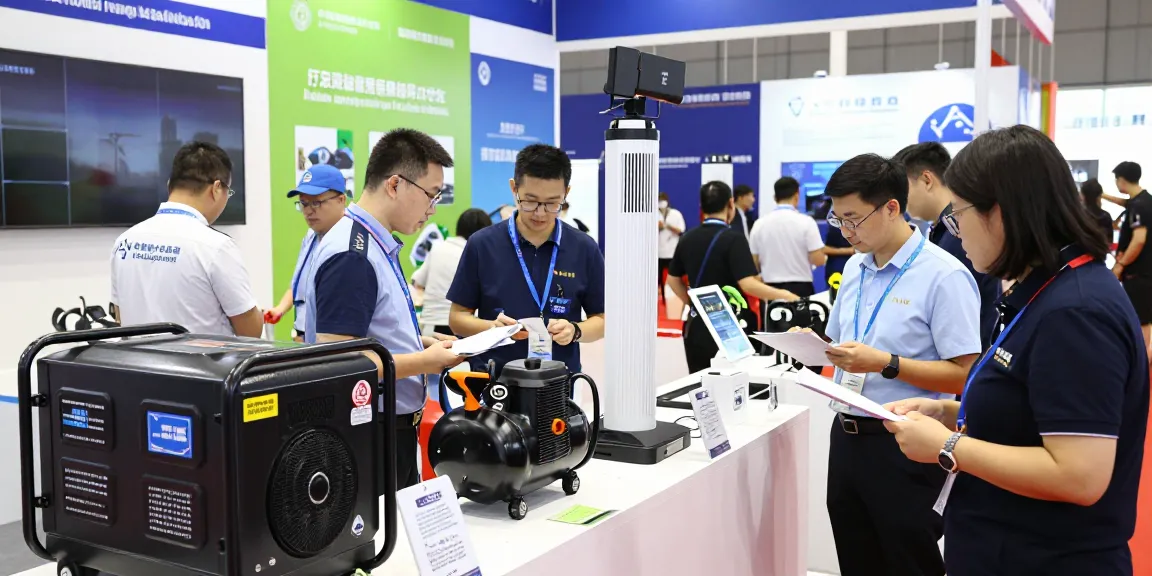
- Industrial Gas Generators: Designed for heavy-duty applications, these generators can handle large power loads, often used in manufacturing, data centers, and large events.
- Combined Heat and Power (CHP) Systems: These systems utilize gas generators to simultaneously produce electricity and useful heat, improving overall energy efficiency for industrial processes.
Cost Factors for Gas Generators in 2026
Understanding the costs associated with gas generators is essential for making informed purchasing decisions. Factors such as initial investment, operational costs, and total cost of ownership all play crucial roles in the overall financial implications of owning a gas generator.
Initial Investment: Pricing Models Explained
The initial cost of a gas generator varies widely based on its size and capacity. As of 2026, portable models can range from $300 to $3,000, while larger standby and industrial generators can exceed $15,000. When budgeting for a gas generator, consider factors like fuel type, power output, and any additional features that may impact the price.
Operational Costs: Fuel Efficiency and Maintenance
Operational costs include fuel expenses, maintenance, and repairs. Gas generators are primarily valued for their fuel efficiency, which can result in significant savings, especially for businesses reliant on continuous power. Regular maintenance—while simplified compared to diesel generators—is still essential for optimal performance and longevity.
Understanding Total Cost of Ownership
When evaluating the total cost of ownership, it's vital to consider not only the purchase price but also the cumulative expenses associated with operation, maintenance, and eventual replacement over the generator's lifespan. Gas generators typically have a lower total cost of ownership compared to diesel generators due to their reduced fuel and maintenance costs.
Advanced Features of Modern Gas Generators
The landscape of gas generators is continuously evolving, with modern units now incorporating advanced features that enhance efficiency, usability, and sustainability.
Incorporating Smart Technology in Gas Generators
Smart technology integration in gas generators has transformed how users interact with their power systems. Many units now offer mobile app connectivity, allowing users to monitor performance metrics, receive alerts, and even control operations remotely. This innovation enhances operational efficiency and helps users anticipate maintenance needs, ensuring reliability.
Hybrid Systems: Combining Power Sources
Hybrid gas generators, which combine gas power with renewable sources like solar or battery storage, represent a significant step towards sustainability. These systems enhance energy security and provide backup power options during grid outages while reducing reliance on fossil fuels.
Innovative Design Elements for Enhanced Performance
Current gas generators feature improved designs that focus on efficiency and durability. Innovations such as advanced cooling systems, durable materials, and optimized combustion processes ensure higher performance levels while mitigating environmental impact.
Choosing the Right Gas Generator for Your Needs
Selecting the right gas generator involves a careful assessment of power requirements, intended use, and specific features that may be beneficial for your application.
Assessing Power Requirements and Usage Scenarios
Before purchasing a gas generator, it's critical to evaluate your power needs. Consider what appliances or equipment you plan to operate and calculate total wattage. Portable generators are typically suitable for recreational use or as a temporary power source, while standby generators are better suited for whole-house backup. Always ensure the generator's capacity exceeds your peak power demand for optimal performance.
Brand Comparisons: Leading Manufacturers in 2026
The gas generator market includes several reputable brands that provide reliable products. Companies such as PowerLink, Generac, and Honda are known for their quality, performance, and customer service. When choosing a brand, evaluate factors such as warranty, local support, and user reviews to make an informed decision.
Expert Recommendations for Diverse Applications
Experts suggest considering specific brands and models based on unique use cases. For instance, residential users may prioritize quiet operation and lower emissions, while construction companies might look for durability and higher output capacities. Always consult with professionals to ensure your chosen generator meets your specific operational needs.
Future Trends in Gas Generator Technology
The future of gas generator technology is bright, with continuous developments focused on sustainability, efficiency, and user experience. As the market evolves, several key trends are expected to shape gas generator innovations.
Sustainability and Environmental Impact Considerations
Certainly, sustainability is a major focus in the energy sector. Gas generators are increasingly designed to reduce emissions and improve overall efficiency. Manufacturers are investing in research to optimize combustion processes and explore alternative fuels, such as hydrogen, which could further enhance their environmental performance.
Predicted Developments in Generator Technology
As technology advances, expect to see enhancements in connectivity, allowing for smart grids and more integrated renewable energy systems. Innovations in battery storage will also play a significant role in the evolution of gas generators, making them more versatile and reliable.
Anticipated Market Changes and Emerging Products
Market dynamics will continue to shift towards more sustainable and efficient power solutions. Emerging products in the gas generator sector will likely focus on hybrid technologies that combine gas with renewables, offering consumers greater flexibility in their energy choices.
What size gas generator will run a house?
The size of the gas generator needed to run a house typically falls between 5,000 to 10,000 watts, depending on the home's power requirements. This ensures that essential systems such as heating, cooling, and appliances can operate efficiently during an outage.
How do gas generators compare to diesel models?
Compared to diesel models, gas generators generally offer lower emissions, quieter operation, and cleaner combustion. While diesel generators may provide higher output in some scenarios, gas models are increasingly recognized for their cost-effectiveness and sustainability.
What maintenance is required for gas generators?
Like any mechanical device, gas generators require regular maintenance, including oil changes, filter replacements, and system checks. Adhering to maintenance schedules is vital to ensure long-term performance and reliability.
Are there portable options for gas generators?
Yes, portable gas generators are widely available and are designed for mobility, making them perfect for outdoor activities, job sites, and emergency backup. They offer varying power outputs, allowing users to select models suitable for their specific needs.
How to choose the best gas generator for emergencies?
To choose the best gas generator for emergencies, consider factors such as power output, fuel type, portability, and any additional features such as automatic startup or smart technology integration. For more information, Power Generation offers valuable insights. Additionally, ensure that the generator can provide sufficient power to run essential appliances during an outage.