Understanding Glass Cutting Tables
Glass cutting tables serve as a pivotal tool in the glass processing industry, enabling artisans and manufacturers to produce high-quality glass products with precision and efficiency. With advancements in technology, the capabilities of these tables have evolved, making them essential for modern glass fabrication. When exploring options, glass cutting table solutions from reputable manufacturers like Zhengke offer insights into the latest innovations and best practices.
What is a Glass Cutting Table?
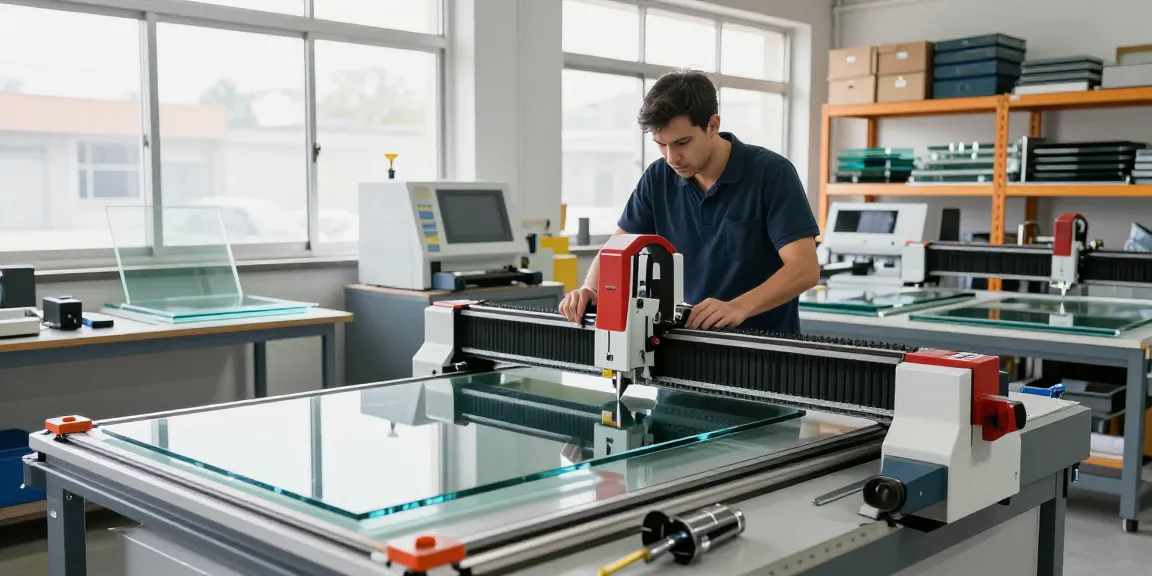
A glass cutting table is a specialized surface designed specifically for scoring and cutting glass sheets. These tables are typically equipped with features that enhance precision and ease of use, including rulers, guide rails, and sometimes integrated cutting tools. The surface is often padded or covered with materials that prevent slipping and allow for smooth glass handling, ensuring that cuts are made accurately without causing damage to the glass or the table itself.
The Importance of Precision in Glass Cutting
Precision in glass cutting is paramount for ensuring the integrity and safety of glass products. Any deviation from specified dimensions can lead to significant issues, such as weak spots or aesthetic imperfections. Advanced glass cutting tables are designed to provide consistent, accurate results, essential in industries ranging from construction to art glass. High precision minimizes waste and maximizes usable yield from raw glass sheets, ultimately enhancing profitability.
Key Features of Modern Glass Cutting Tables
Modern glass cutting tables come equipped with a variety of features that improve their usability and functionality:
- Automated Cutting Mechanisms: CNC cutting technology allows for programmable cutting paths, significantly increasing throughput and reducing manual labor.
- Integrated Measuring Tools: Built-in measuring systems enhance accuracy, enabling operators to cut complex shapes with precision.
- Adjustable Support Systems: Many tables have adjustable supports to accommodate varying glass sizes and types, ensuring stability during the cutting process.
- Safety Features: Safety guards and emergency stop buttons help prevent accidents and injuries during operation.
Types of Glass Cutting Tables
Manual vs. Automatic Glass Cutting Tables
When choosing a glass cutting table, one must consider the differences between manual and automatic models. Manual tables offer a lower initial investment and are suitable for smaller operations. However, they require skilled operators to achieve the desired precision. On the other hand, automatic glass cutting tables leverage CNC technology to automate the cutting process, resulting in faster production rates and reduced labor costs, making them ideal for large-scale manufacturing environments.
Benefits of CNC Glass Cutting Tables
CNC (Computer Numerical Control) glass cutting tables bring several advantages to the table:
- Increased Precision: The automation ensures that cuts are consistent and accurate to the millimeter.
- Reduced Material Waste: Efficient nesting and cutting patterns minimize leftover scrap material.
- Higher Throughput: Automated systems can operate continuously and handle multiple cutting jobs simultaneously, significantly boosting output.
- Easier Adaptation: CNC tables can quickly switch between different cutting patterns and glass types, providing versatility in production.
Choosing the Right Table for Your Needs
Selecting the appropriate glass cutting table depends on several factors, including production volume, budget, and the types of glass being processed. While smaller shops may opt for manual tables for their simplicity and efficiency, larger manufacturers are likely to invest in CNC models for enhanced productivity and accuracy. Analyzing operational needs will ensure that the chosen cutting table meets the demands of the business.
Best Practices for Operating Glass Cutting Tables
Setting Up Your Glass Cutting Workspace
A well-organized workspace can significantly enhance the efficiency and safety of glass cutting operations. It's important to:
- Ensure the workspace is clean and free of debris that could interfere with cutting.
- Maintain optimal lighting to help operators see their work clearly and reduce errors.
- Position tools and materials within easy reach to facilitate a smooth workflow.
Techniques for Achieving Clean Cuts
To achieve the best results when using glass cutting tables, operators should employ the following techniques:
- Use the proper scoring tool and ensure it is sharp and in good condition.
- Apply even pressure during scoring to create a quality line.
- Utilize a consistent motion to reduce the risk of irregular cuts.
Routine Maintenance of Glass Cutting Equipment
Regular maintenance is essential for ensuring long-term performance and reliability of glass cutting tables. Operators should:
- Inspect the cutting tools for wear and replace them as necessary.
- Keep the table surface clean and free of glass shards.
- Lubricate moving parts to prevent wear and improve functionality.
Common Challenges in Glass Cutting
Dealing with Imperfections in Glass
Glass can often come with imperfections such as bubbles, scratches, or thickness variations. Handling these imperfections requires skilled techniques. Operators should inspect glass thoroughly before cutting and adapt their methods accordingly.
Handling Thick and Specialty Glass
Cutting thick or specialty glass types, such as tempered or laminated glass, presents unique challenges. Operators must use the correct tools and techniques suited for these materials to prevent breakage and ensure clean cuts.
Safety Precautions When Cutting Glass
Cutting glass presents inherent hazards, and operators must adhere to safety precautions to mitigate risks:
- Always wear appropriate personal protective equipment, including gloves and eye protection.
- Ensure that all safety guards are in place on the cutting equipment.
- Keep a first aid kit readily available for quick response to any injuries.
The Future of Glass Cutting Technology
Emerging Trends in Glass Cutting Machines
The glass processing industry is evolving rapidly, with new technologies emerging that enhance efficiency and precision. Innovations such as improved laser cutting techniques, AI-driven operational protocols, and enhanced automation are paving the way for the future of glass cutting.
Impact of Automation on the Glass Processing Industry
Automation is revolutionizing the glass processing industry by reducing labor costs and improving output consistency. As more companies adopt automated solutions, we can expect significant shifts in manufacturing processes that prioritize efficiency and lower production times.
Preparing for Innovations in 2026 and Beyond
To stay ahead in the competitive glass processing market, manufacturers must anticipate future technological trends and be prepared to integrate new innovations into their operations. This includes investing in training for staff and upgrading equipment to maintain efficiency and product quality.
What are the best materials for glass cutting tables?
The ideal materials for glass cutting tables include durable surfaces that provide stability and friction, such as high-density foam or specialty carpet materials. These surfaces help prevent glass slippage and damage during cutting.
How do I maintain my glass cutting table?
Regular cleaning, replacing scoring tools when necessary, and inspecting the surface for damage are fundamental for maintaining glass cutting tables. Proper care ensures longevity and performance.
What are the advantages of using automated cutting tables?
Automated cutting tables offer precision, increased production rates, and better resource management, leading to lower operational costs and higher yield of completed products.
Are there specific safety measures for glass cutting?
Yes, specific safety measures include using proper personal protective equipment, ensuring adequate training for operators, and maintaining a clean and organized workspace to minimize hazards.
How can I improve the precision of my cuts?
Improving cutting precision can be achieved through regular maintenance of cutting tools, utilizing high-quality glass and properly setting up the cutting table to minimize vibrations during operation.