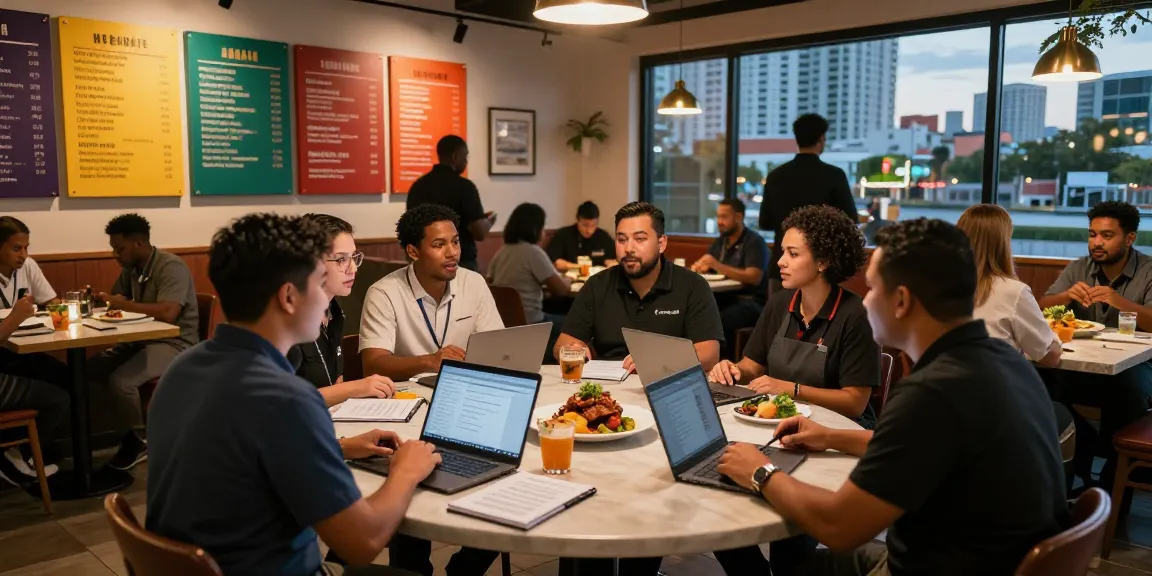
Understanding Restaurant Leadership in Tampa
As the restaurant industry continues to evolve, especially in vibrant markets like Tampa, effective leadership becomes paramount for success. Restaurant leadership is not just about managing operations; it encompasses the ability to inspire teams, ensure customer satisfaction, and maintain profitability across various locations. Leaders in the Tampa restaurant scene must adapt to a unique blend of local culture, customer preferences, and industry trends to thrive. For those seeking deeper insights, resources like Tampa restaurant leadership FAQs can be invaluable.
What Defines Effective Leadership in Restaurants?
Effective leadership in restaurants is characterized by a blend of skills and attributes that foster a positive work environment and drive operational success. At the core, effective leaders possess strong communication skills, emotional intelligence, and the ability to make decisive actions. They are often seen as role models, setting the tone for workplace culture and customer service standards. Great leaders also have a clear vision for their establishment and work tirelessly towards achieving that vision through strategic planning and execution.
Moreover, effective leaders are adept at conflict resolution, managing varied personalities within their teams, and creating an atmosphere of respect and collaboration. Building trust and rapport among team members is crucial, especially in high-pressure environments typical of the restaurant industry.
Key Challenges Facing Restaurant Managers
Managers in the restaurant industry face numerous challenges, from staffing shortages and high turnover rates to supply chain disruptions. In Tampa, where the dining scene is fast-paced and competitive, navigating these challenges requires resilience and strategic problem-solving. One significant challenge is maintaining consistency across multiple locations, especially for multi-unit leaders responsible for the performance of several restaurants simultaneously.
Another pressing issue is adapting to changing consumer preferences. As dining habits shift towards health-conscious options, leaders must stay ahead of trends while also considering cost management and supplier relationships. Additionally, economic fluctuations can impact customer spending, making effective financial management essential for sustaining profitability.
The Importance of Team Dynamics
Team dynamics significantly influence a restaurant's success. A well-functioning team not only enhances the customer experience but also improves employee satisfaction and retention. Leaders must cultivate a culture where team members feel valued and empowered. This can be achieved through regular training, team-building activities, and clear pathways for career advancement.
Moreover, diverse teams bring various perspectives and ideas, enabling more innovative solutions to operational challenges. Leaders who embrace diversity and inclusion can harness the strengths of their teams, leading to a more engaged workforce and loyal customer base.
Common FAQs About Multi-Unit Leadership
What Are the Responsibilities of a Multi-Unit Leader?
A multi-unit leader is responsible for overseeing the operations of several restaurant locations. This role involves strategic planning, financial management, and ensuring all locations adhere to company standards for quality and service. Multi-unit leaders must also motivate and train their managers to ensure they can effectively lead their teams and meet operational goals.
Additionally, they focus on metrics analysis, identifying areas for improvement, and implementing best practices across all units to drive efficiency and profitability. Their responsibilities often extend to marketing initiatives, community engagement, and maintaining excellent relationships with suppliers.
How Do You Maintain Quality Across Multiple Locations?
Maintaining quality across multiple restaurant locations requires a systematic approach. Establishing standard operating procedures (SOPs) is essential, as they provide a consistent framework for staff to follow. Regular training sessions help reinforce these standards and ensure all employees understand their roles and responsibilities.
Moreover, leveraging technology can aid in maintaining quality control. For instance, using inventory management software can help track supplies and streamline ordering processes, reducing discrepancies across locations. Customer feedback systems are also vital, as they provide insights into the dining experience and help identify areas needing attention.
What Skills Are Essential for Success?
Successful leaders in the restaurant industry must possess a diverse skill set, including:
- Operational Management: Understanding the daily workings of a restaurant and optimizing processes to enhance efficiency.
- Financial Acumen: Managing budgets, forecasting sales, and analyzing financial reports to ensure profitability.
- People Management: Leading, motivating, and developing team members to achieve their best performance.
- Marketing Skills: Implementing effective marketing strategies to attract and retain customers.
- Problem-Solving Abilities: Quickly resolving issues that arise in a busy restaurant environment.
Best Practices for Restaurant Operations Management
Implementing Standard Operating Procedures
Standard Operating Procedures (SOPs) serve as the backbone of effective restaurant operations. They standardize processes, ensuring consistency in service and product quality. Developing comprehensive SOPs for everything from food preparation to customer service ensures all team members are aligned with the restaurant's expectations.
It's vital to regularly review and update these procedures to reflect current best practices and regulatory requirements. Engaging team members in this process can also lead to valuable insights and a sense of ownership over their work.
Utilizing Technology to Enhance Efficiency
Integrating technology can significantly enhance the efficiency of restaurant operations. Point of Sale (POS) systems, inventory management software, and payroll systems allow leaders to streamline operations, reduce human error, and enhance customer service. For instance, a modern POS system can provide real-time sales data, enabling managers to make informed decisions based on current trends.
Additionally, customer relationship management (CRM) tools can aid in building stronger relationships with guests, helping restaurants tailor their offerings to meet customer expectations and improve retention rates.
Measuring Performance Metrics Effectively
Key Performance Indicators (KPIs) are essential for assessing a restaurant's performance. Leaders should consistently monitor metrics such as sales growth, customer satisfaction scores, and employee turnover rates to gauge overall health and identify areas for improvement.
Regular performance reviews not only provide insights into the business but also foster a culture of accountability among staff. Sharing these metrics with employees can motivate them to contribute to the restaurant's success and improve their performance.
Case Studies: Successful Restaurant Leadership in Tampa
Insights from Local Restaurant Leaders
Examining case studies of successful leaders in Tampa can yield valuable lessons for aspiring restaurant managers. For instance, leaders who have effectively adapted to the region's cultural dynamics have often seen significant success. Adapting menus to local tastes and incorporating regional ingredients can resonate well with the community while also promoting sustainability.
Additionally, those who have prioritized employee well-being and engagement often report lower turnover rates and higher levels of customer satisfaction. Case studies highlight the effectiveness of incentive programs and career development opportunities in retaining top talent.
Real-World Challenges and Solutions
Many restaurant leaders in Tampa face common challenges, such as employee shortages and fluctuating supply prices. Innovative solutions can include collaborating with local culinary schools for internships, creating robust onboarding processes, and implementing flexible scheduling to accommodate employee needs.
Entrepreneurs who have embraced local partnerships, such as sourcing ingredients from nearby farms, have not only enhanced their product offerings but also built strong community ties, which can further bolster their brand reputation.
What Can Be Learned from Successful Implementations?
Successful implementations in the restaurant industry often involve a unique blend of adaptability, foresight, and robust leadership skills. Key takeaways include the importance of understanding the local market, building a strong team culture, and being prepared to pivot strategies based on real-time feedback and financial performance.
Moreover, continuous learning and adaptation to consumer trends are vital. Leaders who stay informed about industry innovations and customer preferences are more likely to thrive in Tampa's competitive dining landscape.
Future Trends in Restaurant Management for 2026
Adapting to New Consumer Expectations
As we move into 2026, consumer expectations are evolving at a rapid pace. Diners increasingly prioritize health, sustainability, and personalized experiences. Restaurant leaders must adapt their strategies to meet these demands, perhaps by offering plant-based menu options or sustainable sourcing practices.
Moreover, enhancing the dining experience through technology, such as mobile ordering apps or virtual dining experiences, can set restaurants apart in a crowded market.
Embracing Sustainability in Restaurant Operations
Sustainability is no longer just a trend; it's become a necessity in the restaurant industry. Leaders are increasingly focused on reducing waste, sourcing local ingredients, and implementing energy-efficient practices. Creating a sustainability plan can also resonate strongly with consumers, as more diners seek to support environmentally responsible establishments.
Establishments that actively promote their green initiatives can leverage this as a marketing tool, attracting an environmentally conscious clientele and enhancing their brand image.
The Role of Technology in Future Leadership
Technology will continue to play a critical role in restaurant leadership. From AI-driven analytics that predict customer preferences to automated kitchens that improve efficiency, staying ahead of technological advancements is essential for modern leaders. Leveraging technology not only enhances operations but also creates a more seamless dining experience for customers.
Investing in employee training on new technologies is equally important, ensuring that staff can fully utilize the tools at their disposal to enhance service delivery and operational efficiency.
What Is the Future of Restaurant Leadership?
The future of restaurant leadership involves a shift towards mentorship and collaboration. Leaders will need to be more inclusive, encouraging team members to contribute to decision-making processes. This collaborative approach can foster innovation and enhance team morale, which is crucial in a high-stress environment like a restaurant.
Furthermore, a focus on mental health and wellness for staff is emerging as a priority, with successful leaders implementing programs that support their teams both personally and professionally.
How Do You Find and Retain Top Talent?
Finding and retaining top talent in the restaurant industry requires a proactive approach. Leaders must create an attractive work environment, with competitive pay, flexible schedules, and opportunities for advancement. Additionally, fostering a positive workplace culture that values feedback can encourage employees to stay long-term.
Networking within the local community and establishing relationships with culinary schools can also provide a steady pipeline of qualified candidates eager to join the ranks of successful Tampa restaurants.
What Are the Long-Term Trends in Consumer Preferences?
Long-term trends indicate a growing interest in technology-enhanced dining experiences, health-focused menu options, and a desire for unique culinary offerings. Restaurant leaders who can adapt to these preferences by offering innovative, locally-sourced dishes will likely see lasting success.
Moreover, consumer awareness around social issues is prompting dining establishments to take stances on topics like food waste, ethical sourcing, and community involvement, further shaping preferences.