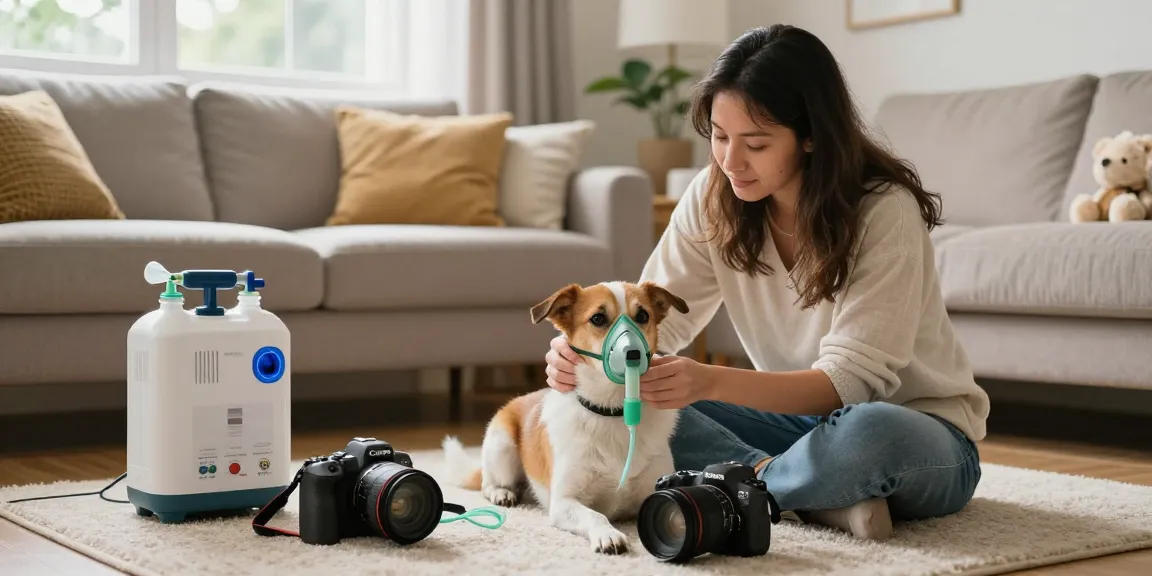
Understanding Pet Oxygen Therapy
As pet owners, we deeply care about the well-being of our furry companions. Just like humans, pets can face health issues that may require specialized treatment, and one such solution is oxygen therapy. This therapy is designed to enhance the quality of life for pets suffering from various ailments, and understanding its nuances can aid owners in making informed decisions for their pets’ health. When exploring options, petair provides comprehensive insights into pet oxygen therapy services that can cater to your pet’s specific needs.
What is Pet Oxygen Therapy?
Pet oxygen therapy is a medical treatment that delivers supplemental oxygen to pets suffering from conditions that impair their ability to breathe effectively. This therapeutic approach helps improve oxygenation in tissues, thereby promoting healing and recovery. Oxygen therapy can be administered through various methods, including oxygen concentrators, tanks, or portable devices, making it accessible and adaptable for different situations and environments.
Why Might Your Pet Need Oxygen Therapy?
Pets may require oxygen therapy for several reasons, particularly when they have respiratory or cardiovascular issues. Some indications that your pet may benefit from oxygen therapy include:
- Chronic respiratory diseases such as asthma or bronchitis.
- Heart conditions affecting blood circulation.
- Post-operative recovery, especially after surgeries involving the lungs or chest.
- Pneumonia or other infections that affect breathing.
- Severe allergies leading to respiratory distress.
Common Conditions Treated with Oxygen Therapy
Several specific conditions can be effectively managed through oxygen therapy:
- Congestive Heart Failure: Pets with this condition may struggle with fluid buildup that impacts their ability to breathe comfortably.
- Pneumonia: Inflammation and infection in the lungs can lead to serious breathing issues requiring urgent oxygen supplementation.
- Trauma or Injury: Pets recovering from severe injuries may need oxygen therapy to aid in their rehabilitation by ensuring sufficient oxygen reaches damaged tissues.
- Chronic Obstructive Pulmonary Disease (COPD): This is particularly prevalent in older pets, and oxygen therapy can significantly improve their quality of life.
Choosing the Right Pet Air Equipment
Selecting the appropriate oxygen machine and accessories is critical for effective treatment. Several options are available to cater to various pet sizes and specific health needs. Below are essential factors to consider:
Types of Oxygen Machines Available
When deciding on oxygen equipment, you have several choices:
- Home Oxygen Concentrators: These machines filter and concentrate oxygen from the surrounding air. They are ideal for long-term use at home.
- Portable Oxygen Tanks: These tanks provide a supply of oxygen, useful for on-the-go treatments or emergency situations.
- Handheld Oxygen Machines: Compact and convenient, these are perfect for pets needing temporary assistance.
Essential Accessories for Effective Treatment
In addition to the oxygen machine itself, various accessories enhance the effectiveness of oxygen therapy:
- Oxygen Masks: Designed to fit snugly over your pet’s face, these allow direct delivery of oxygen.
- Nasal Cannulas: These small tubes can be used to deliver oxygen directly into the nasal passages, making them less intrusive for some pets.
- Oxygen Hoods: These flexible containers can enclose the head of your pet and provide a controlled oxygen environment.
How to Decide Between Renting or Buying
Choosing whether to rent or purchase an oxygen machine is an important decision that can depend on the frequency and duration of treatment needed for your pet. If your pet requires ongoing therapy, purchasing may be more cost-effective in the long run. However, for short-term needs or uncertain situations, renting could provide the necessary flexibility and ease. Many find that PetAir offers competitive rental plans, making it an attractive option for those looking to explore their choices.
Renting and Purchasing from PetAir
When it comes to obtaining an oxygen machine for your pet, the process through PetAir is straightforward and user-friendly, catering to the wide-ranging needs of pet owners.
Steps to Rent an Oxygen Machine
The rental process at PetAir is designed to be hassle-free, typically involving the following steps:
- Assessment: Determine your pet’s specific needs, which will dictate the type of oxygen machine and accessories required.
- Selection: Choose from a range of oxygen machines and accessories based on your assessment.
- Setup: Schedule convenient delivery and setup, where a professional will guide you on how to use the equipment safely and effectively.
Benefits of Renting vs. Buying
Renting from PetAir offers several advantages:
- Cost-Effectiveness: Renting can be cheaper initially, especially for short-term needs.
- Flexibility: You can easily change your rental plan if your pet’s needs change.
- Less Commitment: No long-term obligation, making it easier to adapt to your pet’s health journey.
What to Expect During Delivery and Setup
PetAir ensures a smooth delivery and setup process:
- The oxygen machine will be thoroughly cleaned and disinfected before delivery.
- Delivery personnel will help you understand the setup and operation of the oxygen equipment.
- You will receive instructional materials and a point of contact for support if you encounter any issues.
Ensuring Comfort and Safety for Your Pet
Once you have your oxygen machine set up, it’s essential to create an inviting and secure environment for your pet during their therapy sessions.
Setting Up the Oxygen Therapy Space
Designate a calm, quiet area in your home for oxygen therapy sessions. Ensure the space is comfortable and free from distractions. Make sure your pet feels secure and is able to relax while receiving treatment. Proper ventilation is also crucial to keep the environment comfortable.
Monitoring Your Pet During Treatment
While your pet is undergoing oxygen therapy, keep a close eye on their behavior and physical responses. Look for any signs of distress or discomfort. Monitoring their breathing patterns can provide helpful insights into how well they are responding to treatment.
Signs of Improvement to Watch For
As your pet receives oxygen therapy, you should look for positive changes in their condition, including:
- Improved energy levels and activity.
- Reduced coughing or labored breathing.
- Better overall appetite and hydration.
Frequently Asked Questions About Pet Oxygen Therapy
Understanding oxygen therapy for pets is crucial, and numerous questions often arise:
Is oxygen therapy safe for all pets?
Generally, oxygen therapy is safe for most pets, but it is essential to consult your veterinarian to determine if it is appropriate for your specific pet based on their health condition.
How long does a typical session last?
Session lengths can vary depending on the condition being treated. Typically, sessions may last anywhere from 30 minutes to one hour, but your veterinarian can provide specific recommendations based on your pet’s needs.
Can I use the equipment for multiple pets?
Yes, with appropriate cleaning and sterilization, oxygen equipment can be shared among pets. However, it is advisable to discuss this with your veterinarian to ensure the health and safety of each animal.