
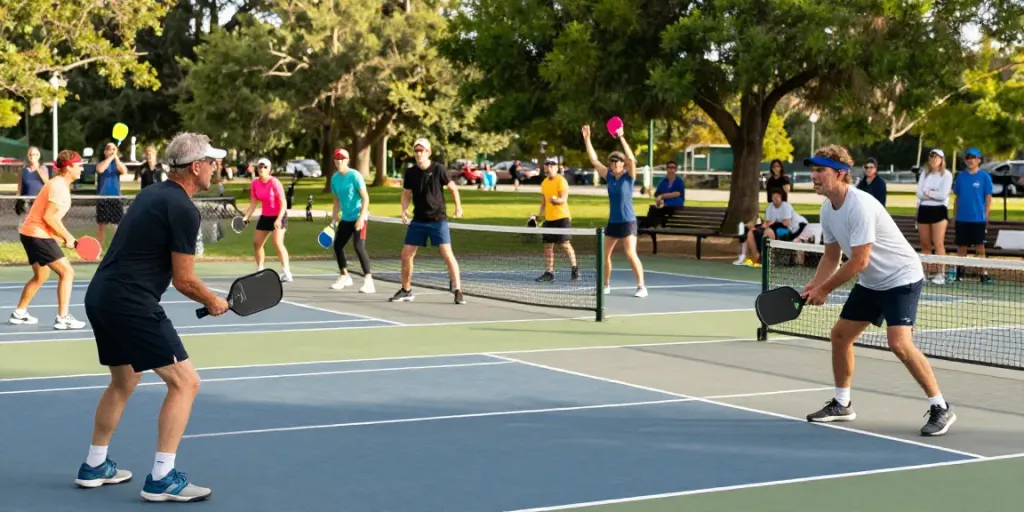
Understanding the Lifespan of Pickleball Paddles
As the popularity of pickleball continues to surge in 2026, many players are increasingly concerned about the longevity of their equipment. Understanding the lifespan of pickleball paddles is essential for optimizing your performance on the court, ensuring you invest wisely in your gear. Factors such as the material of the paddle, your playing frequency, and your style can all influence how long do pickleball paddles last. When exploring options, how long do pickleball paddles last can provide comprehensive insights that help you make informed decisions.
What Determines How Long Do Pickleball Paddles Last?
The lifespan of a pickleball paddle can vary significantly based on several factors. These include:
- Material Composition: Paddles made from higher-quality materials such as carbon fiber and composite materials tend to last longer than those made from lower-grade plastics or wood.
- Playing Conditions: Regular exposure to extreme temperatures and humidity can deteriorate paddle materials. Players in humid regions may find that their paddles wear out more quickly.
- Play Style: Aggressive players who frequently dive for shots or apply excessive force may notice quicker wear and tear on their paddles.
How Playing Frequency Affects Paddle Durability
Your frequency of play is one of the most significant determining factors in how long your paddle will last. Here’s a breakdown of expected lifespans based on playing frequency:
- Casual Players: Those who play 1-2 times a week can expect their paddle to last anywhere from 1 to 3 years.
- Regular Players: Individuals who play 3-4 times a week may need to replace their paddle every 6 to 12 months.
- Competitive Players: For those who are on the court 5 or more times a week, a paddle may only last 3 to 6 months.
The Role of Paddle Material in Lifespan
Paddle materials significantly impact durability and performance:
- Wood: Generally less expensive, wood paddles are heavier and not ideal for serious players. They typically last 6 to 12 months with regular play.
- Composite: Most popular among recreational and competitive players, composite paddles offer a balance of weight, durability, and performance.
- Carbon Fiber: Known for lightness and strength, carbon fiber paddles can last longer and provide better performance, often exceeding 2 years for casual players.
Signs That it's Time to Replace Your Pickleball Paddle
Recognizing when your paddle has reached the end of its useful life is crucial for maintaining performance on the court. Several clear signs indicate it might be time for a replacement.
Identifying Wear and Tear on Your Paddle
Every paddle undergoes wear and tear, but knowing the signs helps you stay ahead:
- Surface Damage: If you notice cracks, chips, or significant scratches on the paddle surface, performance will likely be affected.
- Deformation: Any bending or warping of the paddle can lead to inconsistency in play.
How to Spot Performance Decline
As paddles wear out, their performance diminishes. Look for:
- Loss of Control: If precision shots start to feel off-target, it may be a sign your paddle is losing its snap.
- Sound Changes: A paddle that once produced a satisfying sound upon impact might start sounding dull.
Comparing Worn vs. New Paddles: A Visual Guide
Visual comparisons can be eye-opening. New paddles often have a smooth surface, while worn paddles can appear rough and uneven. Consider creating a guide with images showing the differences in wear to help players recognize when it's time to make a change.
Maximizing the Lifespan of Your Pickleball Paddle
Taking care of your paddle not only extends its life but also enhances your game. Here are some essential tips:
Best Practices for Paddle Care and Maintenance
- Cleaning: Regularly wipe down your paddle with a damp cloth after games to remove debris and moisture.
- Avoid Extreme Conditions: Store your paddle in a climate-controlled environment, away from extreme heat or cold.
Proper Storage Techniques
How you store your paddle can significantly affect its longevity:
- Use a Paddle Cover: Protect your paddle during transport with a cover to guard against scratches and dings.
- Store Flat: Keep your paddle flat rather than leaning against a wall or in a bag to prevent warping.
Choosing the Right Paddle for Your Playing Style
Understanding which paddle suits your playing style can enhance not only performance but also durability. For example:
- Power Players: A heavier paddle might provide more power but could wear out faster.
- Control Players: Lighter paddles often provide better control without adding excessive strain on the paddle.
The Economic Impact of Paddle Longevity for Players
Investing in quality equipment can have long-term benefits beyond just performance. The cost associated with replacing paddles frequently can add up. Here’s how to approach your paddle investment strategically.
Cost vs. Value: When to Invest in a New Paddle
Understanding the correlation between cost and performance is vital:
- Higher-End Paddles: While more expensive initially, these paddles may offer longer lifespans and better performance.
- Budget Paddles: Often appealing for casual play, they may need more frequent replacement.
Comparing Budget Options to Premium Picks
When considering your options, think about:
- Performance: Does the budget paddle compromise on control or power? Premium paddles often provide advanced technology that improves both.
- Warranty: Many premium paddles come with better warranties, reflecting their durability and the manufacturer’s confidence in their product.
Understanding Warranty and Replacement Policies
Knowing the warranty policy can save you money in the long run. Look for paddles that offer substantial warranties, often indicative of quality materials and craftsmanship. Always check the terms regarding wear and damage.
Future Trends in Pickleball Equipment for 2026 and Beyond
The pickleball equipment landscape is continuously evolving. Staying informed about upcoming trends can spark interest and drive informed purchasing decisions.
Innovations in Paddle Technology and Design
Expect to see some exciting advancements:
- Smart Technology: Some manufacturers are incorporating smart sensors into paddles to track performance metrics.
- Advanced Materials: Innovations may lead to even lighter, more durable paddles.
Sustainability and Eco-Friendly Materials
As environmental concerns rise, more companies are seeking to incorporate sustainable practices in their manufacturing processes. Look for paddles made from recycled materials or designed to reduce waste.
Predictions for Industry Changes Affecting Paddle Lifespan
As technology progresses, expect to see paddles designed for longer lifespans, enhanced performance, and better cost-value balance, ensuring players can choose wisely based on their unique needs and preferences.
How do you know when a pickleball paddle is worn out?
Look for obvious signs of surface damage, a loss of responsiveness, and any notable sound changes when striking the ball. If you notice these symptoms, it's time for a new paddle.
What is the 10 second rule in pickleball?
The 10-second rule refers to how long a player can wait to return the serve. Players must be ready to react quickly, emphasizing the importance of reliable equipment that performs consistently.
How often should I replace my pickleball paddle?
Depending on your playing frequency and style, you may need to replace your paddle every few months to a few years. Regularly assess your paddle's condition to ensure optimal performance.
How to tell if your pickleball paddle has a dead spot?
A “dead spot” is a section of the paddle that doesn’t respond well to impacts. Test your paddle by hitting the ball with different spots; if a particular area consistently underperforms, it may have reached its limit.
Can you repair a damaged pickleball paddle?
Small cracks or surface scratches can sometimes be repaired, but severe damage may warrant a replacement. Consult with your local sporting goods store for specific repair options.