Understanding the Importance of Eye Health
Eye health is a crucial aspect of overall well-being, yet it is often overlooked. Many individuals do not realize that their vision is not just a matter of seeing clearly—it can affect their daily activities, quality of life, and even their mental health. Regular eye examinations and awareness of eye health can lead to early detection of conditions that could otherwise lead to significant issues. When exploring options for eye care, check more source for insights into the SNU Eye Clinic's comprehensive services and advanced treatment options.
What Are Common Eye Issues?
People may experience various eye issues throughout their lives, ranging from minor irritations to serious conditions. Common problems include:
- Refractive Errors: Such as myopia (nearsightedness), hyperopia (farsightedness), astigmatism, and presbyopia, which can often be corrected with glasses or contact lenses.
- Cataracts: Clouding of the eye’s lens, leading to blurred vision, glare, and decreased night vision.
- Glaucoma: A group of diseases that damage the eye's optic nerve, often associated with elevated intraocular pressure.
- Diabetic Retinopathy: Damage to the blood vessels in the retina caused by diabetes, potentially leading to vision loss.
- Macular Degeneration: An age-related condition that affects the central part of the retina, causing blurred vision.
How Eye Health Affects Overall Well-Being
Maintaining healthy eyes can significantly impact various aspects of life. Clear vision is essential for performing daily tasks, driving safely, and participating in recreational activities. Furthermore, studies have correlated poor eye health with depression and decreased cognitive function, highlighting the emotional and mental implications of vision problems.
Recognizing Symptoms That Require Attention
Recognizing symptoms that indicate a need for professional eye health assessment is key to maintaining good vision. Some critical signs include:
- Frequent headaches or eye strain
- Blurred or double vision
- Difficulty seeing at night
- Seeing halos around lights
- Sudden loss of vision
If you experience any of these symptoms, it is crucial to seek medical attention promptly to prevent further complications.
Innovative Treatments Offered at SNU Eye Clinic
The SNU Eye Clinic is at the forefront of eye care, offering a comprehensive range of treatments tailored to individual needs. With over 50,000 successful surgeries performed, patients can trust their eyes to experts who utilize the latest advancements in ophthalmology.
Overview of Eye Surgery Options
SNU Eye Clinic provides a variety of eye surgery options, including but not limited to:
- LASIK: A laser procedure that reshapes the cornea to correct refractive errors.
- ICL (Implantable Collamer Lens): A lens implanted in the eye that can correct severe refractive errors without altering the cornea.
- Cataract Surgery: Removal of the cloudy lens and usually replacement with an artificial one.
- Glaucoma Surgery: Techniques to lower intraocular pressure and prevent vision loss.
52 Detailed Tests: Ensuring Accurate Diagnoses
At SNU Eye Clinic, your journey begins with a thorough assessment consisting of 52 detailed tests. These tests are categorized into seven groups focused on a comprehensive evaluation of eye health. This rigorous diagnostic process ensures that any existing conditions are accurately identified, allowing for tailored treatment plans.
Personalized Vision Correction Approaches
Each patient's vision needs are unique, which is why SNU Eye Clinic emphasizes personalized vision correction. Options range from traditional glasses and contact lenses to advanced surgical solutions like ICL and Toric ICL, which are particularly beneficial for patients with astigmatism.
The Benefits of Choosing SNU Eye Clinic
Choosing the right clinic for your eye care needs is vital. SNU Eye Clinic stands out for several reasons, making it a preferred destination for patients seeking advanced eye care in Korea.
Experience and Expertise: 50,000+ Successful Surgeries
The clinic's extensive experience with over 50,000 successful surgeries gives it the credibility needed for effective eye care. Surgeons at SNU Eye Clinic are trained in the latest techniques and technologies, ensuring patients receive top-notch treatment.
Advanced Technology in Vision Correction
Employing state-of-the-art equipment and technologies plays a crucial role in the precision of eye surgeries. SNU Eye Clinic utilizes advanced laser systems and diagnostic tools, ensuring patients benefit from the most effective and least invasive procedures available.
Patient-Centric Approach and Personalized Care
At SNU Eye Clinic, the patient experience is paramount. From the initial consultation through the recovery process, each patient receives individualized attention. The team takes time to listen to concerns, answer questions, and formulate treatment plans that align with patient lifestyles and expectations.
Preparing for Your Consultation
Being prepared for your eye care consultation can enhance the effectiveness of your visit. Understanding what to expect and how to prepare can lead to a more productive engagement with your healthcare team.
What to Expect During Your Visit
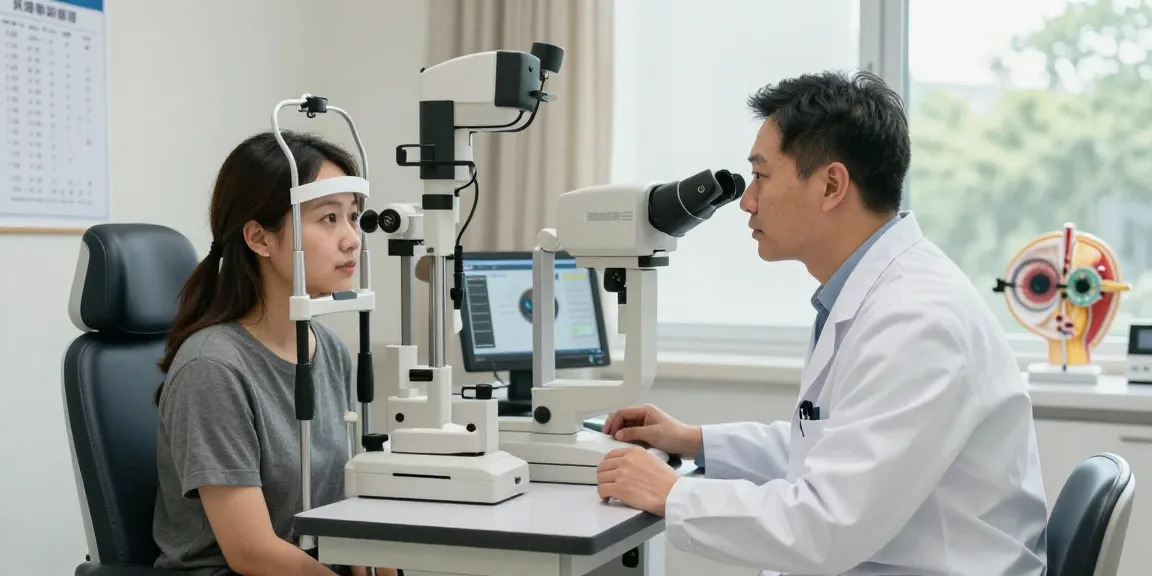
Your visit to SNU Eye Clinic will typically involve an initial assessment, during which various tests will be conducted to evaluate your vision and eye health. You can expect to discuss your medical history, any current symptoms, and your vision goals.
How to Prepare Your Questions for the Doctor
Write down any questions or concerns you may have ahead of your visit. Common topics to address include:
- Possible treatment options for your condition
- Expected recovery times and results
- Risks associated with procedures
Understanding the Costs and Insurance Options
Discussing costs upfront can prevent any surprises later. Be sure to inquire about the price ranges for various procedures and whether your insurance will cover them. SNU Eye Clinic offers a variety of financing options to ease the financial burden of eye care.
The Future of Eye Care: Trends for 2026 and Beyond
The field of eye care is rapidly evolving, and patients can expect exciting advancements in treatment options, technology, and patient experience in the coming years.
Emerging Technologies in Eye Health
Innovation in eye health technology continues to flourish, with developments such as AI-driven diagnostics, which can enhance the accuracy and speed of diagnoses, and virtual reality systems for patient education.
Predictions on Patient Care Innovations
Future patient care will likely include more personalized treatment plans, with a focus on preventative measures. Telehealth services will also expand, allowing patients to consult with specialists remotely.
The Role of Patient Education in Future Treatments
Educating patients about their conditions and available treatments will become increasingly vital. Empowered patients who understand their eye health can make informed choices and participate actively in their care plans.
What types of Eye Surgeries are Available?
SNU Eye Clinic offers various surgical options, including LASIK, cataract surgery, and more specialized procedures like corneal transplants, catering to the diverse needs of patients.
How does the Consultation Process Work?
The consultation process at SNU Eye Clinic starts with a comprehensive eye exam, followed by discussions about findings and potential treatments. This ensures that every patient receives tailored care.
What Can I do if I Have Pre-Existing Conditions?
Patients with pre-existing conditions are encouraged to provide full disclosure during their consultations, allowing the clinic to design appropriate treatment plans that consider all aspects of their health.
How to Choose the Right Eye Care Clinic?
When selecting an eye care clinic, consider factors such as the clinic's reputation, the experience of its staff, technological advancements, and patient reviews. SNU Eye Clinic's proven track record makes it an exceptional choice.
What Trends are Shaping Eye Care in 2026?
Trends shaping the future of eye care include a greater reliance on technology, a focus on preventive care, and improved patient engagement strategies. These elements will enhance the overall experience and efficacy of treatments.