Understanding EMI Testing and Its Importance
Electromagnetic Interference (EMI) Testing is a crucial component in the modern electronic landscape, ensuring that devices operate without causing or experiencing interference from other electronic equipment. As technology advances, the interconnectedness of devices, particularly in sectors like telecommunications, automotive, and medical, has increased significantly. Understanding the fundamentals of EMI Testing is essential for manufacturers aiming to achieve compliance with global standards. When exploring options, EMI Testing provides comprehensive insights into regulatory requirements and testing methodologies, streamlining product development and market readiness.
What is EMI Testing?
EMI Testing refers to a set of procedures used to measure the electromagnetic emissions produced by electronic devices and to assess their immunity to external electromagnetic interference. These tests are vital for evaluating whether a device can function correctly in its intended environment without causing disruptions to other devices. A comprehensive EMI Testing regimen covers both conducted and radiated emissions, ensuring that products meet specific electromagnetic compatibility (EMC) standards set by international regulatory bodies.
Key Standards and Regulations
To ensure compliance with EMI standards, manufacturers must adhere to various national and international regulations. Key standards include:
- FCC (Federal Communications Commission) regulations in the United States
- ISED (Innovation, Science and Economic Development) regulations in Canada
- CE marking in Europe, which signifies compliance with the EU's EMC Directive
- ETSI (European Telecommunications Standards Institute) standards for telecommunications equipment
These standards outline the permissible levels of emissions and susceptibility for electronic devices, serving as benchmarks for testing protocols.
The Role of EMI Testing in Product Development
Implementing EMI Testing early in the product development cycle helps identify potential issues that could hinder compliance with regulatory requirements. By addressing these challenges proactively, manufacturers can reduce the risk of costly redesigns or delays in getting products to market. Furthermore, thorough testing enhances reliability, ensuring that products perform consistently in real-world scenarios.
Common Challenges in EMI Testing
Identifying Sources of Electromagnetic Interference
One of the primary challenges during the EMI Testing process is pinpointing the sources of electromagnetic interference. Various components, including power supplies, motors, and even the layout of circuit boards, can contribute to EMI issues. Utilizing advanced diagnostic tools and simulations can aid engineers in identifying these sources early on, leading to timely solutions.
Overcoming Testing Compliance Issues
Manufacturers often encounter hurdles in achieving compliance due to design choices or material selections that do not meet the required standards. Engaging with experienced testing laboratories can facilitate a smoother compliance process. An accredited lab, such as Stancer Testing-Lab, offers the necessary expertise to guide manufacturers through the compliance maze.
Misconceptions Surrounding EMI Testing
There are several misconceptions about EMI Testing that can lead to misunderstandings about its importance. One common myth is that EMI Testing is only necessary for complex equipment. In reality, even simple consumer electronics require thorough testing to ensure they do not disrupt other devices. Another misconception is that testing is a one-time requirement; however, ongoing compliance checks are essential, especially when design changes occur.
The EMI Testing Process Explained
Initial Consultation and Requirement Gathering
The EMI Testing process begins with an initial consultation where testing engineers gather detailed information about the product and its intended use. This consultation is critical for understanding specific regulatory requirements and crafting a tailored testing strategy that aligns with the manufacturer's goals.
Testing Methodologies and Equipment Used
Various testing methodologies are employed during EMI Testing, including:
- Conducted Emission Testing: Measuring the electrical noise that flows along power lines and other connections.
- Radiated Emission Testing: Evaluating the electromagnetic energy emitted from a device into the surrounding environment.
- Immunity Testing: Assessing how well a device can withstand interference from external electromagnetic sources.
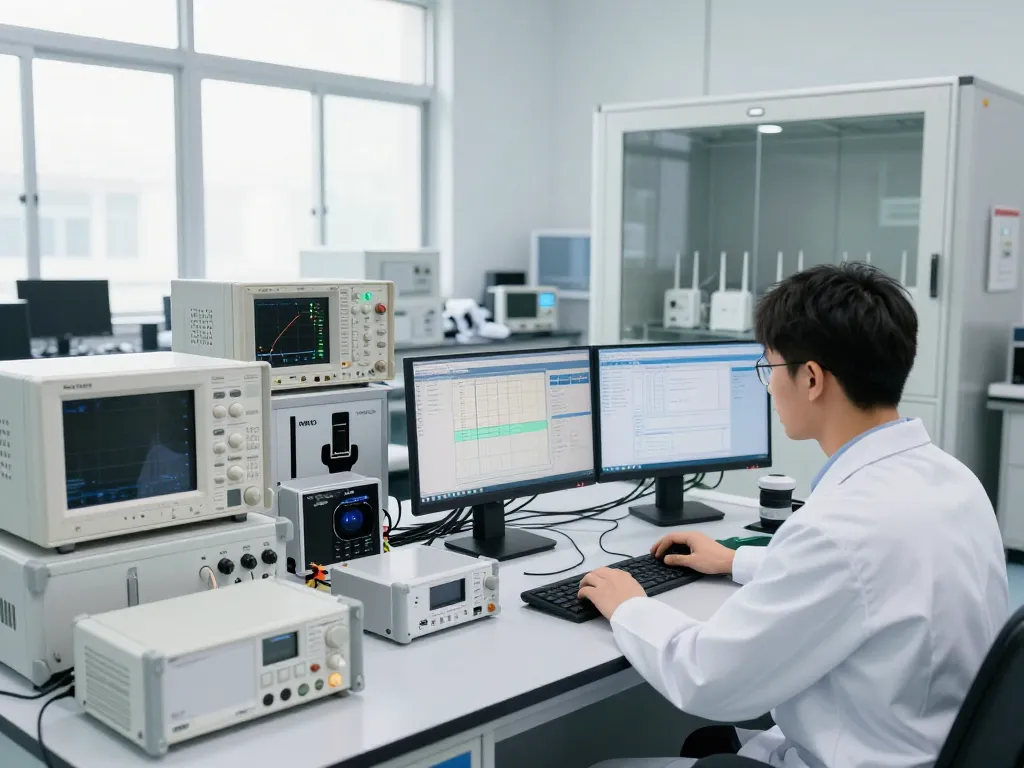
Advanced testing equipment such as spectrum analyzers, oscilloscopes, and anechoic chambers are utilized to ensure the accuracy and reliability of results.
Reporting and Analysis of Results
Once testing is complete, a detailed report is generated, outlining the findings and compliance status. This report includes recommendations for design adjustments or retesting, if necessary. A thorough analysis helps manufacturers understand the implications of the results and plan for future product iterations effectively.
Industry-Specific Compliance Solutions
Telecommunications and Medical Devices
In telecommunications, ensuring that devices operate without causing interference is paramount. Medical devices, on the other hand, face stringent compliance requirements due to their critical nature. Both industries benefit significantly from tailored EMI Testing solutions that address specific regulatory challenges and technical requirements.
Automotive EMC Compliance Requirements
The automotive industry is heavily regulated, with strict EMC requirements outlined in standards such as ECE Regulation 10 and ISO 16750. Testing for automotive components includes both emissions and immunity, ensuring that vehicles operate safely in various electromagnetic environments. Manufacturers must prioritize EMI Testing to avoid non-compliance and potential recalls.
Testing Solutions for Consumer Electronics
Consumer electronics, ranging from smartphones to smart home devices, require comprehensive EMI Testing to ensure user safety and device functionality in everyday environments. As these devices become more interconnected, the importance of complying with EMC standards becomes increasingly vital for manufacturers aiming to maintain customer satisfaction and brand integrity.
Future Trends in EMI Testing for 2026 and Beyond
Advancements in Testing Technologies
The future of EMI Testing is poised for significant advancements. Cutting-edge technologies, including 5G and IoT (Internet of Things), will necessitate new testing methodologies to address the unique challenges posed by increased device density and interconnectedness. Labs will need to adopt innovative approaches and tools to keep pace with these developments.
Emerging Regulatory Frameworks
As technology evolves, so too do the regulatory frameworks governing EMI Testing. Manufacturers should remain vigilant about changes in regulations, especially as international standards adapt to new technologies. Staying informed will ensure that manufacturers can adjust their compliance strategies accordingly, minimizing risks associated with non-compliance.
Preparing for Changes in Consumer Demands
Consumer demands are shifting towards more advanced and integrated technologies, emphasizing the need for continual improvement in product performance. Manufacturers must be prepared to invest in EMI Testing throughout the product lifecycle to ensure that their offerings meet the evolving expectations of consumers.
What is the role of EMI testing in compliance assurance?
EMI Testing plays a fundamental role in compliance assurance by providing manufacturers a clear understanding of their products' performance in an electromagnetic environment. This testing ensures that devices not only meet legal requirements but also build consumer trust by functioning reliably and effectively.
How can manufacturers prepare for EMI testing?
Preparation for EMI Testing involves several steps, including a thorough design review, identifying potential sources of interference, and consulting with testing experts. Understanding the relevant standards and aligning designs with these requirements can significantly enhance the compliance process.
What are the costs associated with EMI testing?
The costs of EMI Testing vary based on factors such as the complexity of the device, the number of tests required, and the testing laboratory’s fees. Manufacturers should budget accordingly for testing to avoid unexpected delays and ensure compliance from the outset.
How often should EMI testing be performed?
EMI Testing should be performed at various stages of the product development lifecycle, especially after any significant design changes or when new components are integrated. Regular testing throughout the development process helps maintain compliance and product integrity.
What equipment is typically used in EMI testing?
Common equipment used in EMI Testing includes spectrum analyzers, oscilloscopes, RF signal generators, and anechoic chambers. These tools enable accurate measurements and assessments of both emissions and immunity, vital for achieving compliance with regulatory standards.