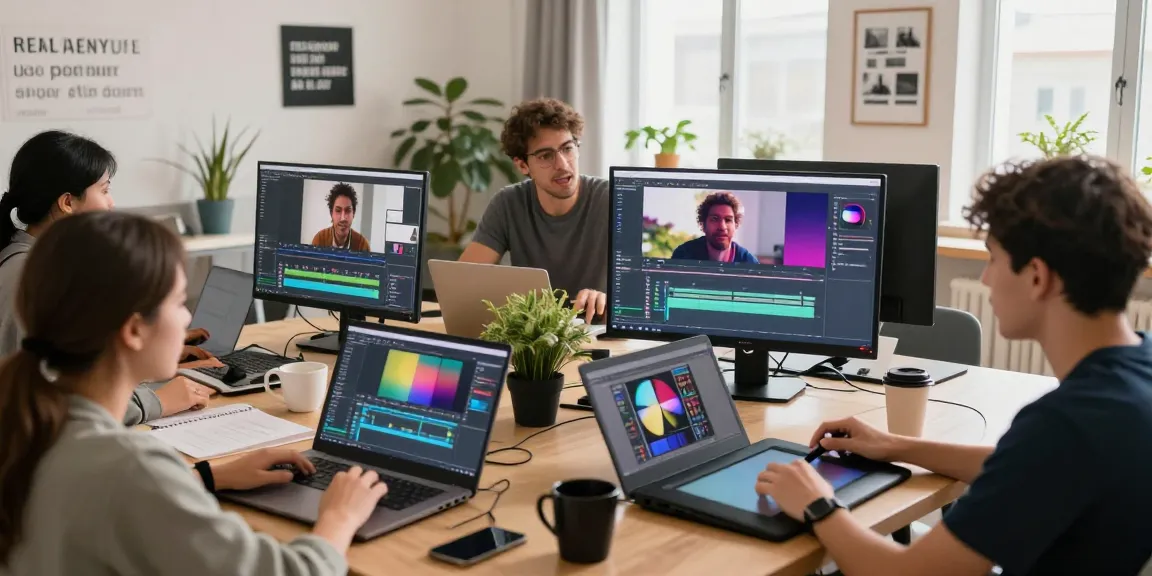
Understanding Color Grading in After Effects
Color grading is a critical aspect of video production that enhances the visual storytelling by adjusting the color and luminance of the footage. When exploring options, After Effects and color grading workshop can provide comprehensive insights into mastering these techniques, making creators stand out in a competitive market.
What is Color Grading?
Color grading is the process of altering and enhancing the color of a motion picture, video image, or still image. It’s an essential component that begins after the editing process, ensuring that the final footage reflects the desired mood, tone, and aesthetic. This process encompasses color correction (fixing color imbalances to achieve a natural look), followed by creative grading (applying stylistic adjustments to achieve a particular look). For filmmakers and video editors, color grading not only improves visual quality but also maintains consistency across various scenes, which is vital for viewer engagement.
The Importance of Color Grading in Video Production
In today’s visual-driven digital landscape, the importance of video production cannot be understated. High-quality visuals are crucial for attracting and retaining audiences. Color grading plays a pivotal role in achieving this quality. It enhances emotional storytelling by guiding viewer perception—subtle hues can evoke feelings of warmth or coolness, while contrast adjustments can intensify action or serenity. Moreover, with the growth of platforms like YouTube and social media, creators are increasingly required to produce visually captivating content that stands out amidst the influx of videos. Effective color grading can be the difference between a dull clip and a professional masterpiece.
Key Tools and Techniques in After Effects
Adobe After Effects is a powerful tool for color grading professionals and enthusiasts alike. Here are some of the key features and techniques:
- Color Correction Tools: Use the Lumetri Color panel for professional color correction and grading. This tool allows for precise adjustments, including exposure, contrast, and saturation settings.
- Adjustment Layers: Employ adjustment layers to apply effects non-destructively, allowing for flexibility in editing and testing various looks without altering the original footage.
- Color Curves: Manipulate color curves to fine-tune shadow, midtone, and highlight levels, giving you full control over the tonal range of your footage.
- Creative LUTs: Implement Look-Up Tables (LUTs) to quickly apply a particular color palette, saving time and enhancing consistency across multiple projects.
Workshop Overview: Learning Objectives and Structure
This workshop is designed to equip participants with a robust understanding of color grading using After Effects. With both theoretical and practical components, learners will engage in hands-on projects that solidify their skills.
Course Content Breakdown
The course comprises several modules that cover a wide range of topics essential for mastering color grading. Participants will learn about:
- Basic and advanced color correction techniques
- Creating mood using color theory
- Implementing styles using creative grading techniques
- Finalizing projects with professional outputs
Target Audience: Who Can Benefit?
This workshop is ideal for beginners and intermediates in video editing and filmmaking. Whether you are a student, a hobbyist, or a professional seeking to expand your skill set, this course will prove invaluable. Moreover, photographers looking to enhance their post-production skills in video or sound designers aiming to understand the visual component of storytelling can also reap the benefits.
Prerequisites for Participants
While no prior experience in After Effects is required, a basic understanding of video editing concepts will be helpful. Participants should have access to Adobe After Effects, as practical exercises form a significant part of the learning experience.
Best Practices for Effective Color Grading
Mastering color grading involves understanding fundamental techniques and common pitfalls to avoid. Here are essential practices to consider:
Essential Techniques to Master Color Correction
Successful color grading starts with solid color correction. Here are some essential techniques:
- White Balance Adjustment: Always start by correcting the white balance to ensure that neutral colors appear true to life.
- Utilizing Vectorscopes and Waveforms: Use scopes to analyze color and luminance levels throughout your footage for precision in adjustments.
- Consistent Lighting: Ensure consistency in lighting and exposure across all clips for a coherent visual narrative.
Common Mistakes to Avoid in Color Grading
Even seasoned editors can fall into common traps. Here’s what to avoid:
- Over-saturation: While vibrant colors can be engaging, excessive saturation may distract or overwhelm the viewer.
- Neglecting Color Theory: Failing to consider the emotional impact of colors can lead to a disconnect between the footage and its intended narrative.
- Inconsistent Styles: Striving for a distinctive style is great, but mixing several grading styles can confuse the audience.
Real-World Application: Case Studies from Professionals
Analyzing successful color grading projects from known films and advertisements can provide useful insights. For instance, films like “Mad Max: Fury Road” utilize extreme color contrasts and grading to evoke a sense of desolation and urgency. Such case studies can inspire aspiring colorists to experiment and find their unique style.
Future Trends in Video Editing and Color Grading
As technology continues to evolve, so too does the realm of color grading. Looking towards 2026, several trends are emerging that will significantly impact the field.
Emerging Technologies Impacting Color Grading
The integration of artificial intelligence and machine learning is set to revolutionize color grading. These tools can analyze footage and suggest adjustments based on predefined aesthetic styles, helping speed up the color grading process. Additionally, technologies like VR and AR are offering new platforms for colorists to create immersive experiences, requiring innovative grading techniques.
Predictions for Video Editing in 2026
By 2026, we can expect further democratization of powerful editing tools. With advancements in cloud computing, collaborative editing will become more manageable, allowing teams to work seamlessly across various locations. Moreover, increased video consumption on platforms like TikTok and Instagram will drive the demand for quick, impactful edits that may influence color styling trends.
The Growing Demand for Color Grading Specialists
As video content proliferates across social media and professional platforms, the need for skilled colorists will rise. Businesses and brands are increasingly recognizing the power of high-quality visuals and are willing to invest in professionals who can elevate their video content through expert color grading. This trend points towards a promising future for those specializing in this vital aspect of production.
FAQs about After Effects and Color Grading Workshops
What skills will I gain from this workshop?
Participants will learn essential color grading techniques, how to utilize After Effects for video production, and how to create a professional final output that adheres to industry standards.
Is prior experience with After Effects required?
No, this workshop is designed for all skill levels. Beginners will receive comprehensive instructions, while more experienced participants can refine their skills.
How can I apply color grading techniques to my projects?
By practicing the techniques learned in the workshop, participants can enhance their video projects, making them visually appealing and engaging for viewers.
What software will be covered during the workshop?
The primary software covered will be Adobe After Effects, along with other tools that complement the color grading process, such as Adobe Premiere Pro for editing workflow.
Will I receive any certifications upon completion?
Yes, participants will receive a certificate of completion, which can be a valuable addition to your professional portfolio.