Understanding Prediksi 7meter in Modern Agriculture
The agricultural landscape is continuously evolving, driven by technological advancements and a growing need for efficiency and sustainability. One innovation that has recently gained traction is the use of Prediksi 7meter, a predictive modeling tool designed to enhance agricultural practices. By harnessing data and advanced algorithms, this tool allows farmers to make informed decisions about crop management, yield predictions, and resource allocation. In a world where every decision counts, understanding the principles and applications of Prediksi 7meter can significantly impact agricultural success.
What is Prediksi 7meter and Its Significance?
Prediksi 7meter is a sophisticated agricultural prediction model that utilizes extensive datasets, including weather data, soil conditions, and historical crop performance, to forecast outcomes up to seven meters in various agricultural contexts. By analyzing these factors, farmers can anticipate challenges such as pest infestations or drought conditions, thereby enabling them to take proactive measures. This predictive approach not only aids in planning but also optimizes resource use, ultimately contributing to improved crop yields and sustainable practices.
Key Benefits of Using Prediksi 7meter
- Enhanced Decision-Making: With clear predictions regarding weather changes and crop growth, farmers can make informed decisions that cultivate better outcomes.
- Resource Optimization: By understanding when and how to use water, fertilizers, and pesticides, farmers can minimize waste and reduce costs.
- Increased Crop Yields: Accurate predictions help in timely interventions, leading to healthier crops and higher yields.
- Risk Management: Farmers can identify potential threats to their crops and address them before they escalate, protecting their investments.
- Sustainability: By utilizing resources more effectively, Prediksi 7meter contributes to environmentally friendly farming practices.
Common Misconceptions About Agricultural Predictions
Despite the benefits of using predictive models like Prediksi 7meter, several misconceptions prevail in the agricultural community. Some believe that agricultural predictions are purely based on weather forecasts, while in reality, they incorporate a range of data points to provide more comprehensive insights. Others may think that utilizing such technology is too complex or costly for small-scale farmers, overlooking that modern advancements have increased accessibility and affordability.
How to Implement Prediksi 7meter Effectively
Step-by-Step Guide to Utilizing Agricultural Predictions
Implementing Prediksi 7meter involves several strategic steps:
- Data Collection: Gather all relevant data, including soil health, previous crop yields, and climatic conditions.
- Analysis: Use the Prediksi 7meter tools to analyze the data and identify patterns and potential outcomes.
- Prediction Generation: Generate predictions based on your data analysis, focusing on key factors that affect crop performance.
- Action Planning: Develop action plans based on predictions, including resource allocation and timing for planting and harvesting.
- Monitoring: Continuously monitor conditions and update the model with new data for ongoing accuracy.
Technology Tools to Enhance Your Strategy
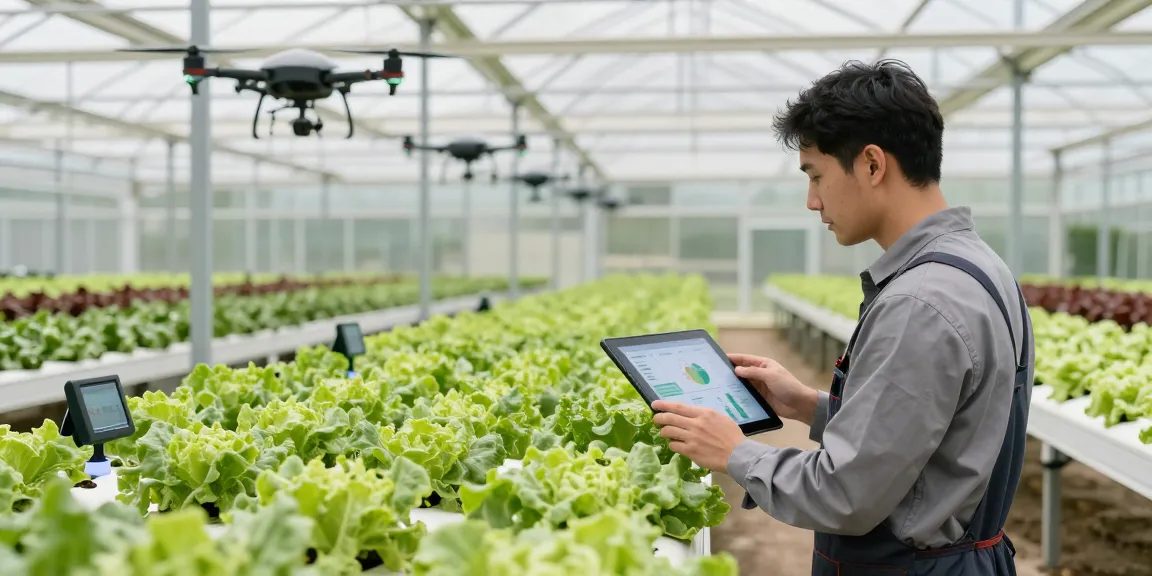
Various technology tools can further enhance the effectiveness of Prediksi 7meter. Tools like Geographic Information Systems (GIS) can map out soil and weather conditions, while drones can provide real-time insights into crop health. Additionally, integrating IoT devices can facilitate real-time data collection, ensuring that predictions are based on the most current information available.
Real-World Applications of Prediksi 7meter
Farmers around the globe have begun to adopt Prediksi 7meter with impressive results. For instance, a cooperative in Indonesia utilized this model to optimize water usage during drought periods, which led to a 20% increase in rice yields. Similarly, in Europe, farmers have employed predictive models to adjust planting schedules based on forecasted weather changes, significantly reducing crop loss due to unexpected frosts.
Addressing Challenges with Prediction Models
Common Obstacles in Implementing Prediksi 7meter
While the advantages of using Prediksi 7meter are clear, there are challenges to its implementation. Data accuracy remains a concern as inaccurate or insufficient data can lead to misleading predictions. Additionally, farmers may face resistance to adopting new technologies due to a lack of training or resources.
Strategies to Overcome Predictive Challenges
Addressing these challenges requires proactive strategies such as investing in training programs for farmers to become familiar with predictive tools. Collaborating with agricultural experts can also help ensure that data collection methods are optimized for accuracy, leading to better predictions and outcomes.
Expert Insights on Improving Accuracy
Industry experts recommend continuous engagement with up-to-date agricultural research to enhance the accuracy of predictive models. This includes integrating emerging technologies and regularly updating data collection techniques to reflect current conditions.
Measuring Success with Prediksi 7meter
Key Performance Indicators for Assessing Impact
To evaluate the success of Prediksi 7meter in agricultural practices, farmers can focus on specific Key Performance Indicators (KPIs) such as:
- Increase in crop yield
- Reduction in resource use (water, fertilizers)
- Decreased crop loss due to adverse conditions
- Cost savings in production
Tools for Tracking Agricultural Outcomes
Utilizing software and applications that align with Prediksi 7meter can streamline the tracking of these KPIs. Data visualization tools can offer insights into performance trends, helping farmers make informed adjustments as needed.
Case Studies of Successful Implementations
Several case studies highlight the successful implementation of Prediksi 7meter. A farming cooperative in South America leveraged predictive analytics to reduce pesticide use, resulting in a 15% cost reduction and healthier crops. In Asia, another farm used the model to enhance yield prediction accuracy, leading to better market timing and higher profits.
Future Trends: What to Expect Beyond 2026
Emerging Technologies Influencing Predictions
As we look toward 2026 and beyond, the integration of artificial intelligence and machine learning into agricultural predictions is expected to revolutionize how farmers approach crop management. These technologies can provide even more precise predictions by learning from vast datasets over time.
Prediksi 7meter and Climate Adaptation Strategies
With climate change posing increasing challenges to agriculture, Prediksi 7meter will play a crucial role in adapting farming practices. By predicting shifts in climate patterns, farmers can proactively adjust planting cycles and crop choices, ensuring food security and sustainability.
Preparing for Changes in Agricultural Practices
The future of agriculture will require farmers to remain agile and responsive to new technologies and methodologies. Training and education will be essential for successful adaptation, empowering farmers to leverage predictive tools like Prediksi 7meter effectively.
What is Prediksi 7meter used for in agriculture?
Prediksi 7meter is primarily used to forecast agricultural outcomes by analyzing various data sets, enabling farmers to make informed decisions for improved crop management.
How can I use Prediksi 7meter to improve crop yields?
By utilizing Prediksi 7meter, farmers can better understand the optimal times for planting, watering, and harvesting, which can lead to increased crop yields.
What are the best practices for agricultural predictions?
Best practices include accurate data collection, continuous updates to predictive models, and integrating real-time monitoring tools.
How will technology influence the future of Prediksi 7meter?
Emerging technologies such as AI and IoT will enhance the accuracy and efficiency of Prediksi 7meter, creating more robust models for predicting agricultural outcomes.
What challenges might I face when using Prediksi 7meter?
Challenges include data accuracy, technological adoption barriers, and potential resistance to changing established farming practices.