Understanding Medical Mobility Equipment
Medical mobility equipment plays a crucial role in enhancing the lives of individuals with mobility challenges. From the elderly to those recovering from surgery or injury, the right equipment can significantly improve independence and quality of life. As we move toward 2026, understanding various options and their benefits becomes essential for anyone considering these aids. When exploring options, medical mobility equipment offers comprehensive insights into the different solutions available.
What is Medical Mobility Equipment?
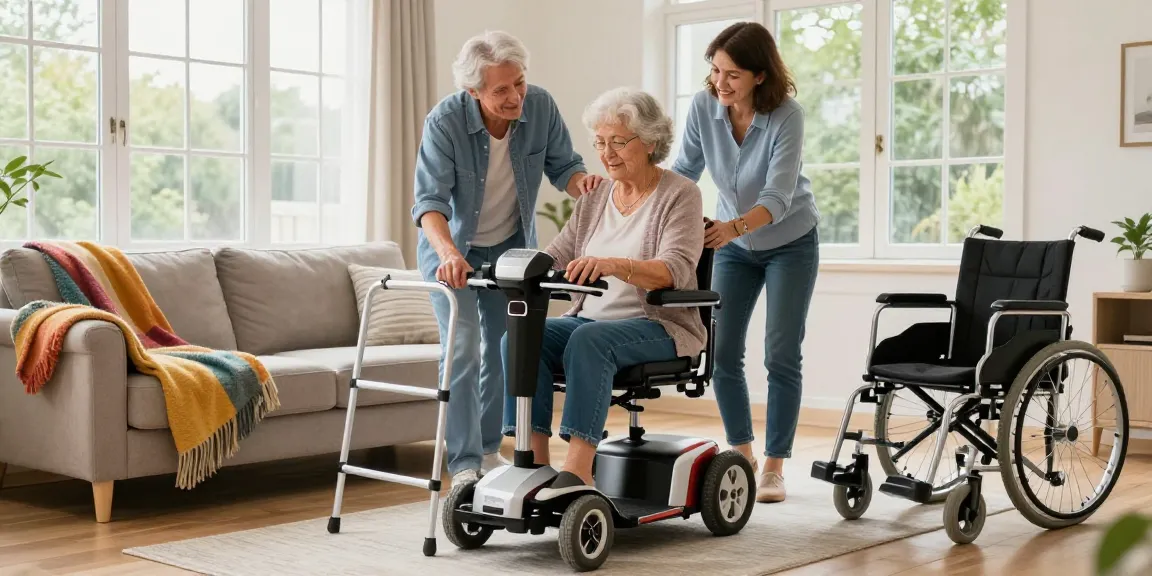
Medical mobility equipment encompasses a variety of devices designed to assist individuals with limited movement. This equipment ranges from simple aids such as canes and walkers to more complex devices like wheelchairs and scooters. The primary purpose is to enhance mobility, allowing individuals to navigate their environment more freely and safely.
Typical examples include:
- Canes: Lightweight and easy to use, perfect for providing support and stability.
- Walkers: Four-legged devices that offer more stability than canes, ideal for individuals with greater mobility issues.
- Wheelchairs: Manual or electric, wheelchairs are pivotal for individuals who cannot walk or stand for extended periods.
- Scooters: Ideal for outdoor use, electric scooters provide a faster, more comfortable way to navigate various terrains.
- Lift chairs: These chairs help users get up easily, providing a safe transition from sitting to standing.
Types of Medical Mobility Equipment Available
The market for medical mobility equipment is diverse, with various types tailored to specific needs. Here are some main categories:
- Daily Living Aids: Items such as reachers, dressing sticks, and modified utensils help individuals manage daily tasks.
- Patient Lifts: These are crucial for transferring individuals from beds to wheelchairs, providing safety and comfort.
- Mobility Scooters: Ideal for outdoor use, scooters allow users to cover more ground effortlessly.
- Rehabilitation Equipment: Devices such as exercise bikes and resistance equipment assist in recovery and physical therapy.
Understanding these categories helps users select the appropriate equipment for their specific circumstances.
Choosing the Right Equipment for Your Needs
Selecting the appropriate medical mobility equipment is essential to meet individual needs effectively. Factors to consider when choosing include:
- Level of Mobility: Assessing the individual’s ability to walk or stand will guide the choice between canes, walkers, or wheelchairs.
- Terrain: Consideration of the environments where the equipment will be used is crucial; for instance, scooters may be more suitable for outdoor use.
- Weight Capacity: Ensure that the selected equipment can safely accommodate the user’s weight.
- Comfort: Features such as seat width, back support, and armrest height can impact overall comfort.
- Storage Options: Consider if the equipment needs to be transported frequently and if storage solutions like foldable models are required.
Common Misconceptions About Medical Mobility Equipment
Debunking Myths: Cost and Accessibility
One prevalent myth surrounding medical mobility equipment is that it is prohibitively expensive and hard to obtain. While some premium models can be costly, there are many affordable options available through various suppliers. Additionally, many insurance plans cover part or all of the cost, making these devices accessible to a wider audience. Individuals should explore multiple vendors and financial options to find equipment that fits their budget.
Are Mobility Aids Only for the Elderly?
Another common misconception is that mobility aids are exclusively for the elderly. In reality, individuals of all ages can benefit from mobility equipment, including those recovering from surgery or dealing with chronic conditions. Conditions such as multiple sclerosis, stroke, or temporary injuries can necessitate the use of mobility aids, emphasizing the importance of these resources for younger populations as well.
Understanding Insurance Coverage for Equipment
Many people are unaware that medical mobility equipment often qualifies for insurance coverage. Health plans may reimburse costs for mobility devices if prescribed by a healthcare professional. It’s essential to consult with your insurance provider to understand your coverage options and ensure that necessary documentation is submitted for approval.
Benefits of Using Medical Mobility Equipment
Enhancing Independence and Quality of Life
One of the most significant benefits of medical mobility equipment is the enhancement of independence. By utilizing these devices, individuals can accomplish daily tasks that would otherwise require assistance. This newfound freedom often leads to improved emotional well-being and a higher quality of life.
Additionally, studies have shown that maintaining independence can reduce feelings of depression and anxiety, further underscoring the importance of these aids.
Safety Features and Innovations in Equipment
As technology advances, medical mobility equipment incorporates innovative features designed to enhance user safety. For example, modern wheelchairs often include anti-tip mechanisms, and scooters now come equipped with advanced braking systems and stability controls. These enhancements not only promote user confidence but also provide peace of mind for caregivers and loved ones.
Real-Life Impact: Case Studies
Consider Sarah, a 30-year-old recovering from a car accident who benefited immensely from using a mobility scooter. Initially reliant on family for transportation, Sarah’s independence grew as she adapted to her new scooter, allowing her to resume activities such as grocery shopping and social outings. This transformation not only boosted her confidence but also positively affected her mental health, showcasing the significant impact of medical mobility equipment.
Maintaining Your Medical Mobility Equipment
Essential Maintenance Tips and Best Practices
To ensure that medical mobility equipment functions optimally, regular maintenance is crucial. Here are some essential tips:
- Regularly Inspect: Check for any signs of wear or damage to wheels, brakes, and frames.
- Keep Clean: Using mild soap and water will keep surfaces hygienic and functional. Avoid harsh chemicals that could damage materials.
- Proper Storage: Store equipment in a dry place away from harsh weather conditions to prolong its lifespan.
When to Seek Professional Repair Services
While many maintenance tasks can be performed at home, some issues may require professional help. If you notice unusual noises, persistent malfunctions, or structural damage, it’s time to consult a professional repair service. Timely repairs can prevent further damage and ensure safe use.
Keeping Equipment Clean and Safe
Cleaning your medical mobility equipment is vital for hygiene and longevity. Regularly wipe down surfaces, check for loose parts, and ensure that any mechanical components are functioning correctly. Proper maintenance not only extends the life of the equipment but also safeguards the user from potential hazards.
Future Trends in Medical Mobility Equipment
Innovations to Expect by 2026
As we approach 2026, the field of medical mobility equipment is poised for remarkable advancements. Innovations in materials and technology will likely lead to lighter, more robust options that enhance user experience. Expect to see greater emphasis on customizability, allowing users to tailor equipment to their unique needs more effectively.
The Role of Technology in Mobility Solutions
Technology will continue to play a significant role in enhancing mobility solutions. Smart mobility aids utilizing sensors and connectivity can help users navigate their surroundings with greater ease. For example, navigation apps specifically designed for scooters and wheelchairs may become commonplace, providing real-time information about accessibility and safe routes.
Personalized Mobility Solutions for Different Needs
Future trends indicate a shift towards more personalized mobility solutions that cater to the individual needs of users. This may include adjustable features tailored to specific physical requirements, ensuring that every user can find equipment that fits them perfectly.
What are the Advantages of Smart Mobility Aids?
Smart mobility aids promise numerous advantages, including enhanced safety, connectivity, and ease of navigation. These devices can alert users to obstacles, track movement patterns, and even connect to other smart devices for improved integration into daily life. Such advancements can make a significant difference in overall usability and user satisfaction.
How Will Trends Impact the Market in 2026?
The intersection of technology and mobility solutions is set to transform the market landscape dramatically. As demand for more innovative, user-friendly equipment grows, manufacturers will likely adapt by investing in research and development. This will lead to a range of products that offer greater efficiency, comfort, and safety for users.