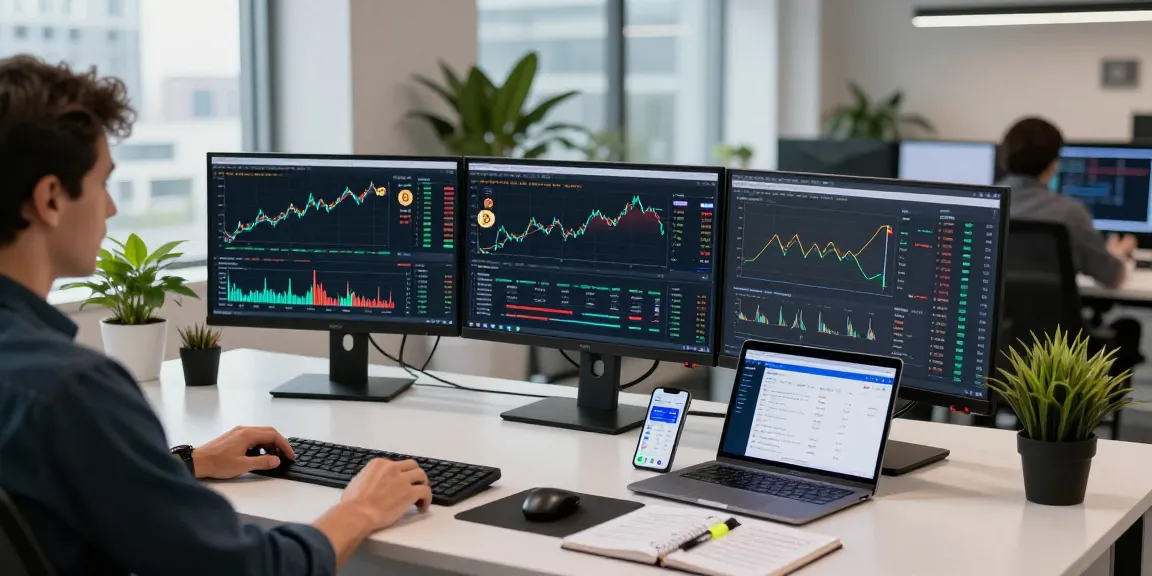
Understanding Blockchain Technology Fundamentals
The emergence of blockchain technology represents a fundamental shift in how data is managed and transactions are processed across various sectors. Its decentralized and secure nature has fostered innovation in finance, supply chain management, and beyond. As we dive into the core characteristics of blockchain, we will uncover what makes it such a revolutionary technology.
What is Blockchain and How Does It Work?
At its core, blockchain is a type of distributed ledger technology (DLT) that allows data to be stored across a network of computers, known as nodes, providing a high level of security and transparency. Each transaction or piece of data is bundled in a block, which undergoes verification by network participants. Once confirmed, the block is linked to the previous one in a linear, chronological order, creating a chain of blocks—hence the name blockchain.
Each block contains cryptographic hashes of the transaction data, a timestamp, and the hash of the preceding block. This structure not only ensures integrity and immutability but also makes it virtually impossible for malicious actors to alter the data without network consensus, thereby reinforcing trust among users.
The Role of Consensus Mechanisms in Blockchain Security
Consensus mechanisms are critical to blockchain security, ensuring agreement among nodes regarding the validity of transactions. The two most common mechanisms are Proof of Work (PoW) and Proof of Stake (PoS). PoW, used by Bitcoin, requires miners to solve complex mathematical problems to validate transactions, which consumes significant energy. In contrast, PoS, which Ethereum is transitioning to, allows validators to create blocks based on the number of coins they hold and are willing to “stake” as collateral, thus significantly reducing energy consumption.
Key Blockchain Use Cases in Today’s Economy
Blockchain technology has found numerous applications across various industries:
- Supply Chain Management: Enhances transparency and traceability throughout the supply chain.
- Healthcare: Secures patient data and enhances interoperability across healthcare providers.
- Finance and Payments: Enables faster, cheaper, and secure cross-border transactions.
- Digital Identity: Provides individuals with more control over their personal data.
- Smart Contracts: Automates and enforces contracts without the need for intermediaries.
Getting Started with Cryptocurrency Trading
As blockchain technology serves as the backbone of the cryptocurrency market, understanding how to navigate this complex landscape is vital for both new and seasoned investors. With platforms like Cricbet99, users can engage in trading and investment opportunities with various digital assets.
Types of Cryptocurrencies and Their Use Cases
Cryptocurrencies can be broadly categorized into several types, each serving different purposes:
- Payment Cryptocurrencies: This includes Bitcoin (BTC) and Litecoin, primarily used as digital cash.
- Smart Contract Platforms: Ethereum (ETH), Cardano, and Solana offer frameworks for creating decentralized applications.
- Stablecoins: Cryptocurrencies tied to real-world assets, such as USDT and USDC, providing price stability.
- Privacy Coins: Monero and Zcash focus on enhancing user privacy during transactions.
- Utility Tokens: Tokens used within specific platforms or ecosystems, often offering specific functionalities.
- Governance Tokens: These tokens bestow voting rights on holders regarding project developments and operations.
Technical Analysis Fundamentals for Crypto Success
Technical analysis (TA) leverages price charts and indicators to forecast future price movements. It involves key concepts such as support and resistance levels, moving averages, and momentum indicators like the Relative Strength Index (RSI) and Moving Average Convergence Divergence (MACD). Consultants and analysts employ these tools to gauge market sentiment and make informed investment decisions.
Executing Trades: Choosing the Right Exchange
Selecting a cryptocurrency exchange is a critical step for any trader. Factors to consider include security features, available trading pairs, fees, liquidity, and user experience. There are two main types of exchanges: Centralized Exchanges (CEX), which have significant control over transactions, and Decentralized Exchanges (DEX), which facilitate peer-to-peer trading without intermediaries.
DeFi Protocols: Opportunities for Yield Optimization
The rise of Decentralized Finance (DeFi) has opened a multitude of lending, borrowing, and yield-generating opportunities. These protocols can significantly enhance the potential returns for savvy investors.
Understanding Decentralized Finance (DeFi) Ecosystem
DeFi encompasses financial applications built on blockchain networks that aim to disrupt traditional finance by providing permissionless and transparent financial services. DeFi platforms often utilize smart contracts to automate processes, reduce costs, and eliminate the need for intermediaries.
Yield Farming: How to Maximize Your Rewards
Yield farming allows users to earn interest or rewards by providing liquidity to DeFi protocols. Participants can stake their assets in liquidity pools in exchange for returns, often in the platform’s native tokens. However, these strategies come with risks, such as impermanent loss when the value of staked tokens fluctuates significantly.
Top DeFi Platforms to Explore in 2026
As the DeFi landscape continues to innovate, platforms like Aave, Compound, and Uniswap are leading the charge. Each platform offers unique opportunities for investors looking to tap into yield optimization strategies.
Securing Your Cryptocurrency: Best Practices
With the growth of the cryptocurrency market comes the increasing need for robust security practices. Protecting your assets is paramount in a landscape rife with scams and hacking attempts.
Setting Up Secure Wallets and Managing Private Keys
Choosing the right type of wallet is essential for the safety of your digital assets. Hardware wallets such as Ledger and Trezor provide enhanced security compared to software wallets, which are more susceptible to online threats. Always ensure that your private keys and seed phrases are stored securely and never shared, as they grant access to your funds.
Recognizing Scams and Cyber Threats in Crypto
Scams such as phishing attacks, rug pulls, and Ponzi schemes have become common in the crypto space. Always be wary of offers that appear too good to be true and conduct thorough due diligence on platforms and projects before investing.
The Importance of Two-Factor Authentication
Two-factor authentication (2FA) serves as an additional layer of protection for your accounts. By requiring a second verification method, 2FA drastically reduces the likelihood of unauthorized access. Implementing it on exchanges and digital wallets is a recommended security practice.
Regulatory Landscape and Market Insights
Understanding the regulatory landscape is crucial for cryptocurrency investors. Regulations can significantly impact market dynamics and investors’ strategies.
2026 Regulatory Updates: What Investors Need to Know
The landscape for cryptocurrency regulation is rapidly evolving, with regulators across the globe considering frameworks for oversight. In the U.S., the SEC is focusing on securities classifications, while the CFTC is overseeing derivatives market activities. The EU’s MiCA regulation aims to streamline the regulatory environment for crypto assets. Investors should remain adaptable to these changes, ensuring compliance with Anti-Money Laundering (AML) and Know Your Customer (KYC) requirements.
Market Analysis Tools for Crypto Investors
Investors can utilize various tools for analyzing market trends and making informed decisions. Tools like TradingView and CoinMarketCap provide real-time data, while sentiment analysis platforms help gauge market psychology.
Future Trends in Cryptocurrency and Technology
The future of cryptocurrency appears promising with ongoing developments in scalability solutions like layer-2 solutions, cross-chain interoperability, and improvements in blockchain technology itself. As we progress through 2026, we can expect increasing integration of blockchain in everyday applications.
Frequently Asked Questions
What are the benefits of using Cricbet99?
Cricbet99 offers users comprehensive insights into the digital asset landscape, providing a user-friendly interface and tailored support, enhancing the cryptocurrency trading experience.
How can I safely trade cryptocurrencies?
To trade safely, invest when the market conditions favor your strategy, use secure wallets, enable 2FA, and conduct rigorous research on platforms. Diversifying your portfolio can also mitigate risks associated with volatility.
What should investors know about DeFi?
Investors should recognize both the potential rewards and risks associated with DeFi. The market’s rapid growth can bring significant opportunities, but it also requires due diligence and understanding of smart contracts’ operational intricacies.
How do I understand cryptocurrency market trends?
Market trends can be analyzed through technical and fundamental analyses, following price charts, news developments, and on-chain metrics like transaction volume and wallet activity.
What are the best practices for wallet security?
Best practices for wallet security include using hardware wallets for long-term storage, enabling 2FA, regularly updating wallet software, and creating strong, unique passwords for each account.. Additionally, Crickbet provides further details.