Understanding HK Stock Market Data Feeds
The emerging landscape of blockchain technology and cryptocurrency trading has invigorated traditional markets, allowing for real-time access to vast data reservoirs necessary for informed trading and investment decisions. In particular, HK stock market data feeds offer comprehensive insights into the Hong Kong exchanges, facilitating advanced analyses for traders and institutions. With an influx of APIs catering to financial data, developers and investors alike must navigate the myriad of options to find reliable and efficient solutions.
What is an HK Stock Market Data Feed?
An HK stock market data feed is a stream of real-time or delayed information regarding stock prices, trading volume, and market activity in the Hong Kong Stock Exchange (HKEX). These feeds are essential for traders, providing immediate updates that aid in making data-driven decisions. They encompass various data types, including historical data for long-term analyses and live updates for immediate trading strategies.
Types of Market Data Available
Market data feeds typically include:
- Real-Time Data: Instant updates about stock prices and market changes.
- Historical Data: Past trading data to analyze trends and perform backtesting.
- Order Book Data: Information on buy and sell orders, necessary for gauging market depth.
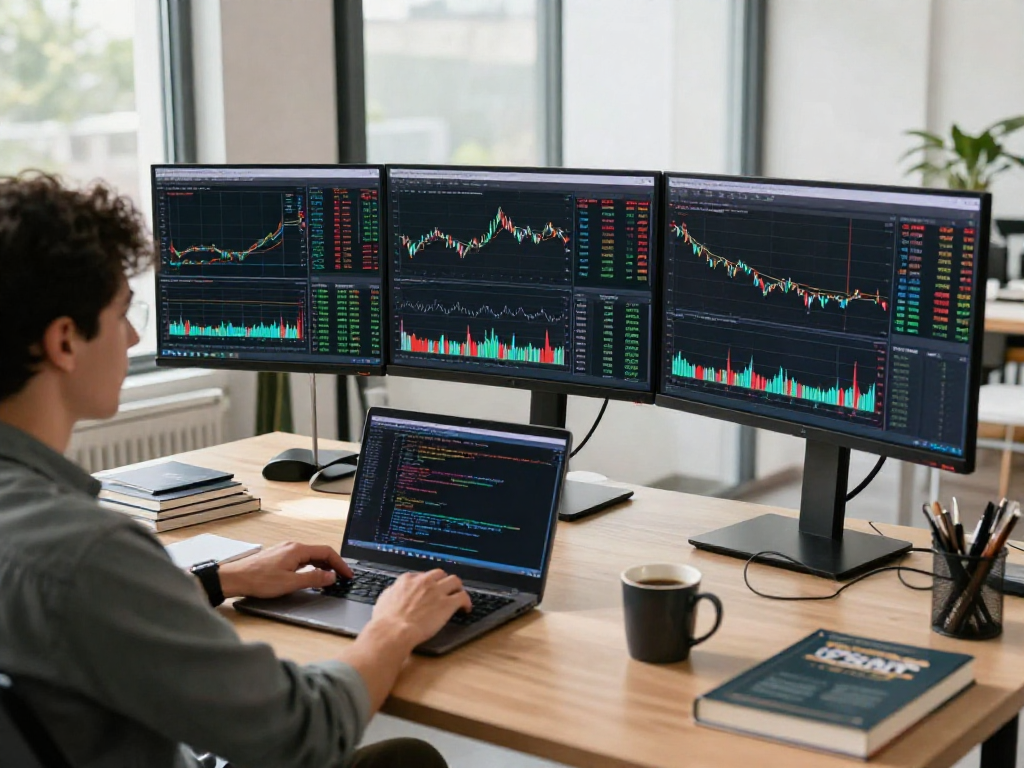
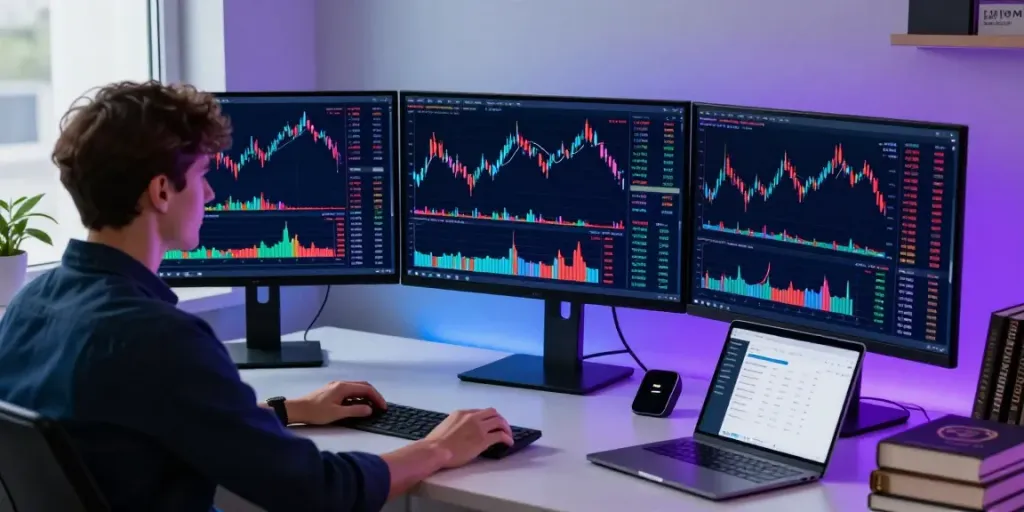
- K-line Data: Candlestick charts that provide visualization of price movements over time.
How to Access Real-Time Data
Accessing real-time HK stock market data is facilitated through APIs, which allow developers and firms to integrate market data feeds directly into their applications. These APIs are usually offered in various formats, such as WebSocket or RESTful API, simplifying the process of retrieving and manipulating large datasets. For those looking to utilize such technology, options like the HK stock market data feed provide an excellent starting point.
Benefits of Using iTick Stock API
Comprehensive Data Coverage
The iTick Stock API offers extensive coverage across more than 50 global stock exchanges, including the A-Shares, HK stocks, and US stocks. This broad reach ensures that traders have access to essential data for various strategies, regardless of geographical location or market focus.
Low Latency and High Reliability
In finance, low latency can be a decisive advantage. iTick’s API is designed for minimal lag, ensuring that traders can act swiftly on market changes, thus capitalizing on fleeting opportunities. This is part of a larger trend where real-time data feeds become critical components of algorithmic trading and high-frequency trading strategies.
Cost Efficiency Compared to Competitors
When evaluating data services, cost is a significant factor for many individuals and organizations. iTick provides competitive pricing models, which, when compared to other solutions, often demonstrate superior value in terms of the volume and quality of data offered. This is especially important in a highly competitive landscape where every second and cent counts.
Integrating HK Stock Market Data into Trading Strategies
Using Technical Analysis Tools
To maximize the potential of their trading strategies, traders often employ technical analysis tools powered by market data feeds. By utilizing indicators such as moving averages, Relative Strength Index (RSI), and MACD, traders can navigate market conditions effectively and identify buying or selling opportunities.
Backtesting Strategies with Historical Data
Backtesting is an essential part of developing a trading strategy, allowing traders to simulate how their strategy would have performed based on historical data. By leveraging the historical K-line data provided by APIs like iTick, traders can refine their strategies and optimize for various market conditions.
Real-Time Monitoring for Active Trading
Real-time monitoring is vital for active traders who wish to react promptly to market changes. By integrating real-time stock data feeds into their trading platforms, traders can receive alerts and updates that facilitate quick decision-making, thereby improving their trading efficiency.
Security Best Practices for Traders
Wallet Security and Private Key Management
With the increasing digitization of trading practices, security has become paramount. Traders must prioritize the security of their digital wallets, ensuring that private keys are stored safely and not exposed to potential threats. Hardware wallets offer superior protection compared to online storage options.
Avoiding Common Trading Scams
As the cryptocurrency space grows, so does the risk of scams. Traders must be educated on recognizing fraudulent schemes, including pump-and-dump tactics and fake ICOs. Due diligence and community verification are necessary steps in mitigating these risks.
Implementing Two-Factor Authentication
To enhance security, implementing two-factor authentication (2FA) on trading accounts is highly recommended. This adds an additional layer of protection against unauthorized access, making it more difficult for cybercriminals to seize control of an account.
Future Trends in Stock Market Data and Trading
The Rise of AI in Trading Decisions
The integration of artificial intelligence (AI) into trading platforms is transforming decision-making processes. Algorithms can analyze large datasets and identify trends faster than human traders, providing insights that enhance trading strategies.
Blockchain’s Impact on Data Security
Blockchain technology, with its inherent properties of transparency and immutability, offers promising implications for the security of financial data. By utilizing distributed ledger technology (DLT), financial institutions can ensure that data is tamper-proof and resistant to manipulation.
Emerging DeFi Solutions for Market Analysis
Decentralized finance (DeFi) platforms are introducing innovative solutions for market analysis and trading strategies, enabling users to access financial services without centralized intermediaries. This could significantly alter traditional stock trading models and market efficiencies.
Security Threats & Risk Management
Common Security Threats
Traders and investors must be aware of various security threats that lurk in the digital space. Common threats include phishing attacks, where criminals attempt to acquire sensitive information through deceptive means, and malware that compromises devices.
Risk Mitigation Strategies
To mitigate the risks associated with trading in volatile markets, traders should adopt thorough due diligence practices. This includes regular evaluation of their trading platforms, ensuring they utilize well-audited and reputable services, and verifying claims made by investment opportunities.
Regulatory & Legal Compliance
The 2026 regulatory landscape
As the cryptocurrency and stock trading worlds intersect, understanding the regulatory landscape is crucial. Regulations such as the SEC’s stance on securities classification and the CFTC’s oversight of crypto derivatives will shape the trading environment.
Legal Considerations
Traders must navigate various legal requirements, including compliance with AML/KYC obligations. Understanding the distinction between securities and utility tokens is vital for anyone engaging with blockchain projects, as regulatory scrutiny continues to evolve.
Content Quality & Depth
As the landscape of cryptocurrency trading develops, providing accurate and accessible information becomes essential for traders. High-quality content, addressing both simple and complex topics, helps users understand the available resources and make educated trading decisions.