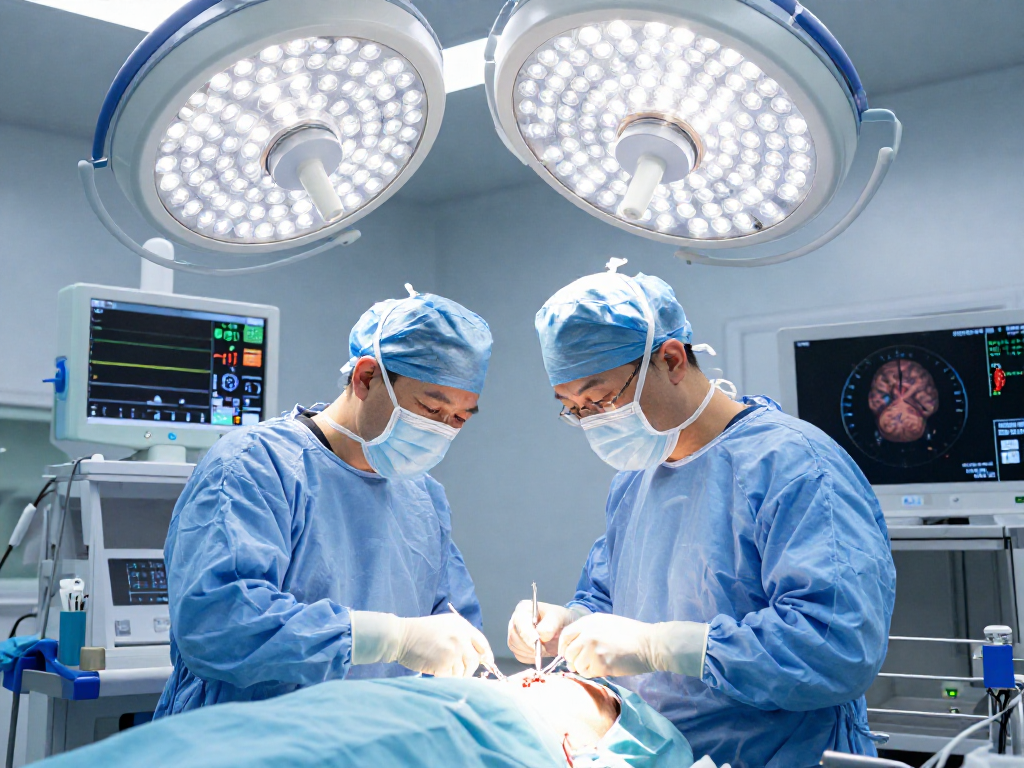
Understanding Brain Tumors and Surgical Procedures
Brain tumors present a significant challenge in the medical community, demanding precise surgical interventions and a thorough understanding of the disease process. beyin tümörü ameliyatı is a focal point in neuro-oncology, addressing both benign and malignant tumors through surgical techniques tailored to individual patient needs. This article unpacks essential information regarding brain tumor surgeries, their types, risks, and advancements, ensuring patients and their families are well-informed throughout the journey.
What is Beyin Tümörü Ameliyatı?
Beyin tümörü ameliyatı refers to the surgical procedures carried out to remove or reduce the size of brain tumors, which can either be benign or malignant. These surgical interventions are crucial, as they not only aim to alleviate symptoms but also play a pivotal role in diagnosing and understanding the tumor’s characteristics. Types of surgery may include craniotomy, where a section of the skull is removed to access the tumor, or minimally invasive techniques like endoscopic surgery. Each approach is determined based on the tumor's nature, location, and the patient’s overall health.
Types of Brain Tumors Handled in Surgery
Several types of brain tumors are addressed through surgical procedures, including:
- Meningiomas: Typically benign tumors arising from the protective membranes surrounding the brain.
- Glial Tumors: These include astrocytomas, oligodendrogliomas, and the highly aggressive glioblastoma multiforme (GBM).
- Metastatic Brain Tumors: Tumors that originate from cancer in other parts of the body and spread to the brain, commonly from the lungs, breast, or skin.
The Importance of Accurate Diagnosis
Accurate diagnosis is the foundation of effective treatment. Advanced imaging techniques such as MRI and CT scans are utilized to determine the tumor’s size, location, and potential involvement of critical brain structures. These diagnostic tools enable neurosurgeons to devise a tailored surgical approach, enhancing the likelihood of a successful outcome.
The Surgical Process: Step-by-Step Overview
Preoperative Preparations for Beyin Tümörü Ameliyatı
Prior to surgery, a comprehensive assessment is performed. Patients undergo a series of tests to evaluate their health status, including blood tests and imaging studies. These evaluations help identify any underlying conditions that could complicate the surgery. Patient preparation also involves informing them about the procedure, potential risks, and expected outcomes, fostering a collaborative environment.
Intraoperative Techniques and Technologies
During the surgical procedure, state-of-the-art techniques such as neuronavigation and intraoperative MRI are employed. Neuronavigation systems provide real-time imaging that guides surgeons in accurately locating and removing tumors while minimizing damage to healthy brain tissue. In cases where functionality is at stake, awake craniotomy may be conducted, allowing the surgeon to interact with the patient to monitor critical functions during the operation.
Postoperative Monitoring and Care
After surgery, patients are closely monitored in a recovery area. Regular imaging, such as MRI, is performed to assess the effectiveness of the tumor removal and to check for any complications. Managing postoperative pain and monitoring neurological status are critical during this period to ensure a smooth recovery.
Potential Risks and Complications
Common Risks Associated with Brain Surgery
While beyin tümörü ameliyatı can be life-saving, it carries inherent risks. Common complications may include:
- Infection at the surgical site
- Bleeding within the brain or from the surgical site
- Seizures, which may occur postoperatively due to brain irritation
- Neurological deficits, such as weakness or speech difficulties
Managing Postoperative Complications
Effective management of complications relies on a multidisciplinary team. This includes monitoring vital signs, addressing infection risks, and managing symptoms aggressively. Early detection of problems is crucial; for instance, if a patient shows signs of increased intracranial pressure, timely intervention can be life-saving.
When to Seek Immediate Medical Attention
Patients and caregivers must be educated about warning signs that require immediate medical evaluation. Symptoms like sudden confusion, persistent headache, worsening seizures, or vision changes should prompt prompt contact with healthcare providers.
Advancements in Techniques and Technologies
Innovations in Surgical Approaches for Brain Tumors
Recent advancements in neurosurgery have significantly enhanced the safety and effectiveness of brain tumor surgeries. Techniques such as laser interstitial thermal therapy and advanced robotic technologies are being increasingly utilized. These innovations allow for more precise interventions with reduced recovery times.
The Role of Gamma Knife in Treatment
Gamma Knife radiosurgery has revolutionized the treatment of certain brain tumors, particularly for patients who are not surgical candidates due to tumor location or patient health. This non-invasive method uses precisely focused radiation beams to target tumors, offering a treatment option with minimal side effects and outpatient convenience.
Future Trends in Neurosurgery for 2026
As technology evolves, the future of neurosurgery looks promising. Emerging trends include the use of artificial intelligence in surgical planning and the integration of augmented reality for enhanced visualization during surgeries. These advancements are set to improve accuracy and patient outcomes significantly.
Patient Guidance and Support
Living with a Brain Tumor Diagnosis
Receiving a brain tumor diagnosis can be overwhelming. Patients need access to support systems, including counseling and support groups, to assist with the emotional and psychological challenges that accompany such news. Building a strong support network plays a crucial role in the patient’s journey.
Rehabilitation After Surgery
Postoperative rehabilitation is essential for recovery, aiding patients in regaining lost functions. Occupational and physical therapy services are tailored to the individual's needs, focusing on restoring mobility and enhancing quality of life.
Resources for Patients and Families
Numerous resources exist for patients and their families, from educational materials by cancer organizations to local support groups. Being informed and connected can provide significant comfort and clarity during the treatment process.
What Should Patients Know About Their Recovery?
Recovery from beyin tümörü ameliyatı varies widely among patients, dependent on the type of surgery and individual factors. For more information, beyin tümörü ameliyatı offers valuable insights. It’s critical for patients to adhere to follow-up appointments, engage in rehabilitation efforts, and maintain a healthy lifestyle to support their recovery journey.